




Most people start with a picture in their head and no name for it. Knowing the main tattoo styles helps you put a name to that picture, find the right artist and get a tattoo that still looks good years from now. This page is the overview. Each style has its own guide with more detail on placement, aging and what to look for in an artist.
How tattoo styles differ
Styles differ in four main ways: line weight, shading, color and how much bare skin they leave. A traditional tattoo has thick black outlines and a few strong colors. A fine line tattoo uses thin lines and leaves a lot of skin showing. Realism has almost no outlines and builds the image from soft shading.
Each style also needs its own skills. Packing solid black in a tribal piece is a different job from pulling a single-needle fine line. The needles change, the machine setup changes, the ink changes, and even the way the artist stretches the skin changes. That's why most artists focus on one or two styles, and why a very good artist can still give you an average tattoo outside their style.
The main tattoo styles
Most styles fall into three loose families: bold and graphic, fine and detailed, and painterly. Many artists mix styles, so treat these as starting points.
Bold and graphic styles
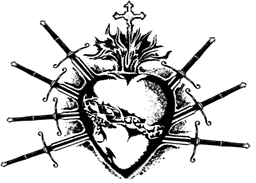
- Traditional (also called American traditional or old school): thick black outlines, a small set of strong colors and classic designs like anchors, roses, eagles and swallows. It's one of the styles that ages best.
- Neo-traditional: builds on traditional with more colors, softer shading, more detail and lines of different weights. Animals, flowers and portraits in ornate frames are common.
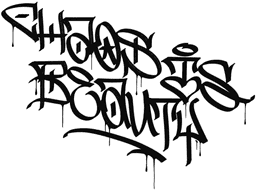
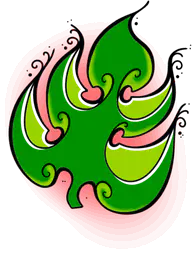
- New school: cartoon-like, with exaggerated shapes, very bright colors and a playful feel, influenced by animation and graffiti.
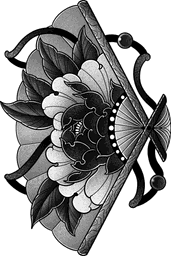
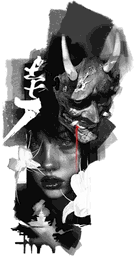
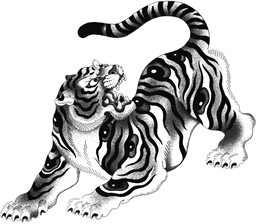
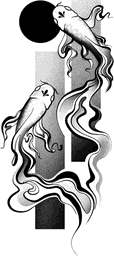
- Japanese (irezumi): large, flowing pieces with koi, dragons, tigers, peonies and waves, set against wind and water backgrounds. The design follows the shape of the body, so it suits sleeves and back pieces.
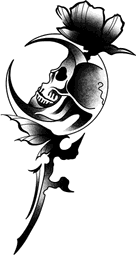
- Chicano: black and grey work with smooth, soft shading, rooted in Mexican-American culture. Portraits, religious images, roses and lettering are common.
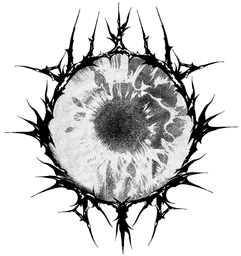
- Blackwork: black ink only, often with large solid areas, patterns and bold illustration.
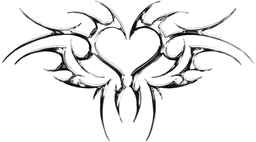
- Tribal: bold black shapes and patterns inspired by traditions from Polynesia, Borneo and other cultures. Many of these designs have cultural meaning, so learn about them before you choose one.
Fine and detailed styles
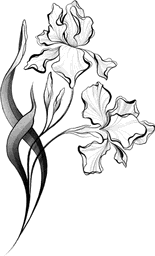
- Fine line: thin, delicate lines made with a single needle or a small group of needles, often with no heavy outline. Popular for flowers, script and small designs.
- Micro tattoos: very small tattoos, often on fingers, wrists or behind the ear. Fine detail softens over the years, so simple designs last best.
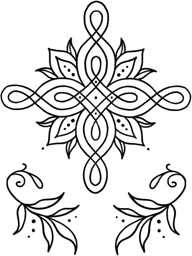
- Minimalist: simple shapes, few lines and plenty of bare skin. The meaning often matters more than the detail.
- Dotwork: images and shading built from many small dots. It takes patience and gives a soft, textured look, often used for mandalas.
- Geometric: shapes, straight lines and symmetry, from simple triangles to complex patterns. It needs a steady hand, because small errors show.
- Realism: tattoos that look like photos, in black and grey or color. Portraits and animals are common, and larger pieces often take several sessions.
Painterly styles
- Watercolor: soft washes and splashes of color that look painted, often with few or no outlines. Many artists add some black lines so the design keeps its shape as it ages.
How to choose a tattoo style
Start with pictures before you look for an artist. Save 20 or 30 tattoos you love and look at what they have in common:
- Thick lines or thin lines?
- Heavy shading or clean, open space?
- Color or black and grey?
- Organic shapes or geometric ones?
Your answers point to a style family. If your pictures are mostly delicate flowers with no outlines, you want a fine line artist. If they're full of bright color portraits, you want a color realism artist.
A few quick starting points:
- Small and subtle: fine line, minimalist and micro tattoos. All three are popular for a first tattoo.
- Bold and long-lasting: traditional, blackwork and tribal.
- Detailed and lifelike: realism and Chicano. Both need a specialist and usually more space on the body.
- Pattern and texture: geometric and dotwork.
- Color and character: neo-traditional, new school and watercolor.
- Large pieces: Japanese irezumi.
Think about size and placement too. Fine detail needs room, so a detailed design squeezed onto a finger will blur. Before you book, you can try designs on your skin in AR to see how a style looks on your body.
How to find an artist for your style
Once you know your style, look at how well each artist does it. The strongest sign is volume in one style. An artist with 50 blackwork pieces has already solved problems you haven't thought of yet, like how solid black heals on the ribs compared to the shin. For your tattoo, depth beats variety.
Healed photos tell you the most. A watercolor piece can look great fresh and blurry two years later. Fine line can blur and realism can go flat. Artists who know their work ages well are happy to show healed results. Also check whether the artist has tattooed the placement you want, and compare at least three artists before you decide.
Our guides on reading a portfolio and artist red flags go further. When you're ready, you can find artists by style on Inkjin.
How style affects aging and price
Bold lines and solid black age best. Very fine lines and tiny details soften over the years, and light colors fade faster in the sun (color vs black ink). If you want a tattoo that stays sharp with little upkeep, choose a style with clear outlines and give it enough size.
Price depends more on size, detail and the artist than on the style name. On Inkjin, most small designs cost €80-€140, medium ones €140-€200 and large ones €220-€350. Detailed styles like realism, or large custom work like Japanese sleeves, take longer and cost more, often over several sessions. A cheaper tattoo in the wrong style is rarely good value, because a cover-up or laser removal costs more than doing it right the first time. Use the price estimator or the tattoo cost guide to plan your budget.