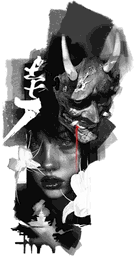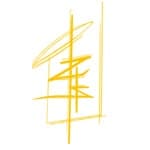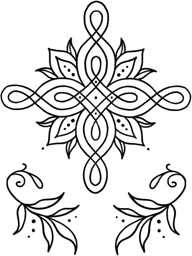

A minimalist tattoo keeps only what the design needs. You get clean outlines, little or no shading, and plenty of bare skin around the lines. Every mark has a job, and anything extra is left out.
This look has grown fast over the last ten years, and it is now one of the most common choices for a first tattoo. Small minimalist pieces are quick to do, easy to hide or show, and they can look good for many years when a skilled artist does them. This guide covers what makes a tattoo minimalist, the motifs people ask for most, how these tattoos age, where to put them, what they cost and how to choose an artist.
Want to see real examples first? Browse 50 minimalist tattoo ideas from real artists.
What makes a tattoo minimalist?
Minimalist tattoos put precision ahead of detail. Most share a few traits: lines of one even weight, a small or medium size, black ink only, and simple geometric or organic shapes.
The style is close to fine line, and the two often overlap. Fine line work can pack a lot of detail into a small space. Minimalist work removes detail on purpose. A minimalist rose might be three curved strokes, and a minimalist mountain might be a single triangle. The skill is in knowing what to leave out.
Popular minimalist tattoo motifs
Single line drawings. One unbroken line forms a face, an animal, a flower stem or a pair of hands. Done well, the line looks loose and alive. Done badly, it looks like a doodle, so give this kind of design to an experienced artist.
Small botanicals. A sprig of lavender, an olive branch, a single leaf or a small wildflower. Many artists now draw specific plants with real accuracy, even at a small size. A small botanical piece on the forearm is also easy to build on later if you want a bigger floral design.
Sky and symbols. Crescent moons, suns, stars, planets and constellations (some people use their own birth chart). Simple shapes like triangles, circles and hexagons, and old symbols like alchemical signs, also fit the style. Look up the meaning of any symbol before you commit, so you know what you are wearing.
Nature and animals. Mountains, waves, birds, cats, butterflies and moths in simple outline.
Personal marks. Hearts, infinity signs, initials, dates and short words.
For more starting points, see our first tattoo ideas.
Why minimalist tattoos suit a first tattoo
A small minimalist piece is a gentle way to find out how you feel about getting tattooed. Sessions are short, often under an hour, so you spend less time in pain. The design is easy to place where you can cover it for work and show it when you like. Healing is usually simple because only a small area of skin is worked.
Pain depends more on placement than on size. A tiny tattoo on the ribs can hurt more than a bigger one on the outer forearm. Our tattoo pain chart shows which spots are easier. For the whole process from booking to healing, read the first tattoo guide.
How minimalist tattoos age
Ink spreads a little under the skin over the years. On a bold tattoo you barely notice. On a design made of thin lines, it can make the lines look softer and slightly blurred, and very small details can merge together.
A few things help a minimalist tattoo stay clean:
- Keep it big enough. Very tiny designs (under about 2 cm) lose detail first. If you want small text or a detailed motif, let your artist size it up a little.
- Leave space between lines. Lines drawn too close together can close up over time.
- Pick simple shapes for small sizes. A triangle or a circle stays readable for a long time. A detailed feather at the same size will not.
- Protect it from the sun. Use sunscreen on healed tattoos, and follow the aftercare guide while it heals.
Some thin lines will need a touch-up after a few years. That is normal for this kind of work.
Best placements and sizes for minimalist tattoos
Classic spots for small minimalist tattoos are the inner wrist, behind the ear, the ankle and the collarbone. The outer forearm and inner upper arm have become popular too. They give room for a slightly larger design, are easy to cover with a sleeve, and get less rubbing than the wrist, so the lines tend to last longer. For bigger minimalist pieces, look at the forearm, upper arm, ribs or shoulder blade.
Finger and hand tattoos look great on social media, but they are a poor choice for a first tattoo. The skin there is thin, moves all the time and renews quickly, so the ink fades fast and often needs a touch-up within a year. If you like the look, the side of the hand, the forearm or the ankle will hold up much better.
See our placement guide for more options. You can also preview a design on your own skin with AR try-on before you book.
How much does a minimalist tattoo cost?
Small minimalist tattoos are among the cheaper tattoos you can get. On Inkjin, most minimalist and fine line designs cost €100-€250.
Size, detail and placement change the price. Many studios also have a minimum charge, so a tiny design can cost about the same as a small one. Be careful with very cheap offers. Thin lines leave nowhere to hide mistakes, and fixing a shaky line costs more than getting it right the first time. For a quick figure for your own idea, try the tattoo price estimator.
How to choose an artist for minimalist work
Minimalist tattoos look easy, but they are hard to do well. There is no shading or color to cover a mistake, so every line is on show.
When you look at portfolios:
- Look for healed photos. A fresh fine line tattoo always looks crisp. Photos taken months or years later show how the artist's lines really hold up.
- Check the lines. They should keep the same thickness from start to finish, with no wobbles, gaps or blurry edges.
- Pick a specialist. Choose an artist who does mostly minimalist or fine line work.
Our guide to reading a tattoo portfolio explains what to look for. When you are ready, find minimalist and fine line artists near you on Inkjin.