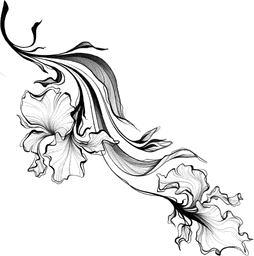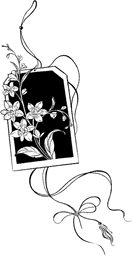
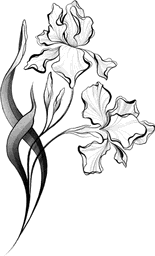
Fine line tattoos are made with very thin lines, about as thin as a pencil line or thinner. Up close, a good one looks like a careful pencil or ink drawing on the skin. The artist uses a single needle or a very small group of needles, such as a 3-round liner, and puts in less ink than in bold styles. The result is light, detailed and quiet.
Fine line is one of the most requested styles today. It suits small designs, script and soft botanical work, and it is the technique behind most minimalist tattoos. It also takes real skill. With such thin lines there is nothing to hide a mistake.
What does a fine line tattoo look like?
The lines are thin and even, and there are usually no heavy black outlines or solid fills. Shading, if there is any, is soft and light, often done with small dots or a very thin grey wash. Most fine line work is in black or grey, though some artists add small touches of color.
Because the lines are so thin, the artist can fit a lot of detail into a small space. You can see single petals on a flower, the veins of a leaf or script small enough to fit on a finger. That detail is also the risk. Lines that sit too close together can merge as the ink settles over the years.
Where did fine line tattoos come from?
Single-needle tattooing has its roots in the black and grey work of Los Angeles in the 1970s and 1980s. That style grew partly out of homemade tattoos done with a single sewing needle, and artists later brought the fine, soft look into professional studios.
Fine line as most people know it today took off in the 2010s. Small, delicate tattoos became popular on social media and on celebrities, and artists in cities like Seoul, Los Angeles and New York became known for tiny, detailed work. Better needles and machines made it easier to pull clean, thin lines, and the style spread around the world.
Popular fine line tattoo designs
Almost any design can be done in fine line, but some subjects suit it best:
- Flowers and plants. Single stems, small bouquets, vines and leaves with fine veins.
- Sky and space. Small moons, moon phases, stars, constellations and planets.
- Script. Names, dates, short quotes and single words in thin cursive or typewriter letters.
- Line drawings. Single-line faces, small animals, hands and simple outlines.
- Small symbols. Hearts, arrows, waves, initials and tiny geometric shapes.
For more ideas, see our minimalist tattoo ideas and our guide to micro tattoos.
How do fine line tattoos heal and age?
Fine line needs exact needle depth. If the needle goes too deep, the ink spreads under the skin and the line looks blurry and thick. This is called a blowout. If it does not go deep enough, parts of the line can fall out while the tattoo heals, sometimes within a few weeks. A skilled artist hits the right depth line after line.
Most people find fine line less painful than bold styles, because a small needle grouping hits less skin at once and sessions are usually short. Healing is often quicker too, since there is less trauma to the skin.
Fine line tattoos hold less ink, so they show wear sooner. Sun is the biggest enemy. Use a high SPF sunscreen on the tattoo every time it is in the sun, and keep harsh scrubs off it. Follow your artist's aftercare and our aftercare guide while it heals. Some fine line pieces need a touch-up after healing or after a few years to bring back lines that have softened. That is normal for the style.
Best placements and sizes for fine line
Fine line ages best on areas that get little sun and little rubbing. Good spots include the inner forearm, upper arm, back of the shoulder, collarbone, ribs, upper back, ankle and behind the ear. The inner forearm is a popular choice for a first fine line piece.
Hands, fingers and feet are hard places for fine line. Skin there renews fast and rubs against things all day, so thin lines can fade or break up quickly. Expect touch-ups if you choose these spots.
Size matters more than people think. A design that is too small for its detail will blur over time. Ask your artist if the design needs to be a little bigger or simpler to last, and leave space between lines. You can test the size on your body with AR try-on, and our tattoo size and placement guide has more help.
How much does a fine line tattoo cost?
On Inkjin, most fine line designs cost €110-€280.
Most fine line pieces are small, so they often cost less than large bold work. A small design usually costs about €80-€140, and a medium one about €140-€200. Many studios have a minimum charge, so a tiny tattoo can cost about the same as a slightly bigger one. Very detailed work takes more time and costs more. To get a figure for your idea, use the tattoo price estimator or read our tattoo cost guide.
Who is fine line right for?
Fine line suits you if you want something small, soft and easy to hide or show. It is a popular first tattoo, because the pieces are usually small, sessions are short and the pain is lower. See our first tattoo guide if this is your first.
It may suit you less if the tattoo will be in strong sun most days, or if you want a design that stays sharp from across the room for decades. In those cases a bolder style like traditional or blackwork may hold up better. On darker skin tones, thin lines can show less contrast, so look for an artist with healed fine line work on skin like yours.
How to choose a fine line artist
Fine line looks easy, but it is one of the hardest styles to do well. Any small shake or change in line weight shows right away, and there are no heavy outlines or dark shading to cover it.
Look at healed photos first. Every fine line tattoo looks good on the day it is done. A photo of the same tattoo a year later shows whether the artist puts the line at the right depth. In healed work, lines should be clean and even, with no blurring or gaps. Pick an artist who does mostly fine line, and ask how your design will look in five years. You can browse fine line artists on Inkjin, and our guide to reading a tattoo artist's portfolio has more tips.