
Tattoo prices vary from €50 for a tiny symbol to €5,000+ for a full sleeve. This guide breaks down tattoo costs by size, style, placement, and artist experience — so you know exactly what to budget before your session.
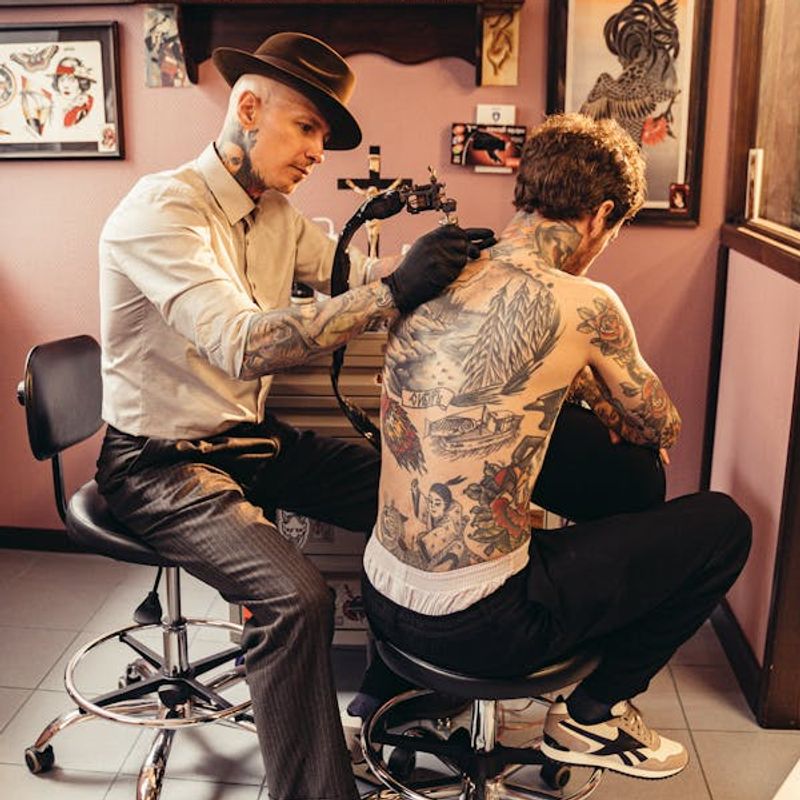
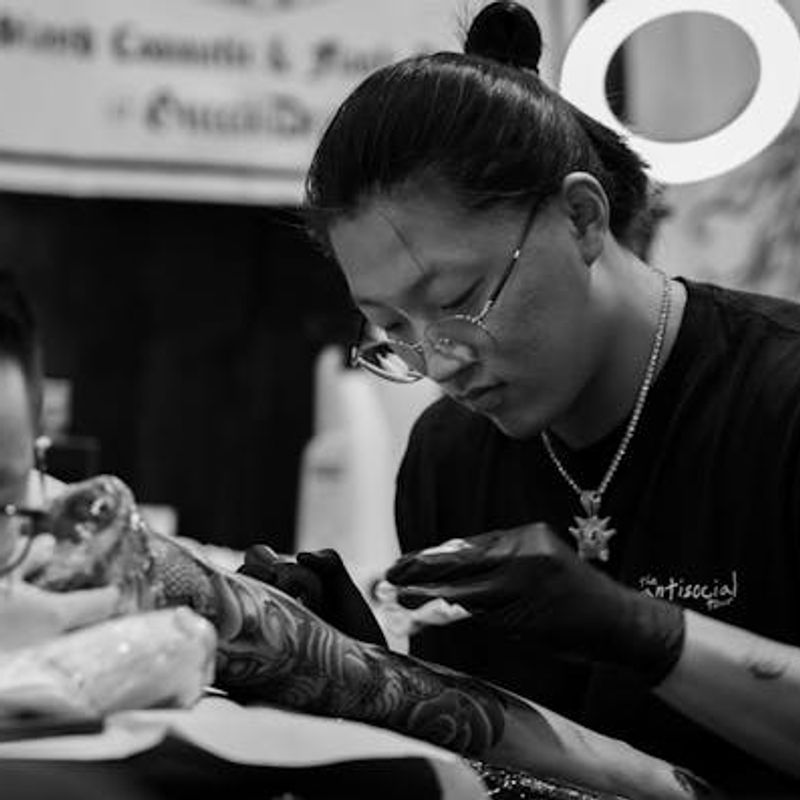
The most common question people ask before getting tattooed is simple: how much will it cost? The honest answer is that tattoo pricing depends on a combination of factors — size, style, placement, artist experience, and geographic location all play a role. A tiny black symbol on your wrist might cost €60, while a full-colour sleeve from a top artist could run €5,000 or more spread across multiple sessions. For a quick personalised estimate, try our tattoo price estimator.
This guide breaks down everything that affects tattoo pricing so you can walk into a consultation with a realistic budget. We cover costs by size, by style, by body placement, and by region — plus the hidden costs that catch first-timers off guard. Whether you are planning a small meaningful piece or a major project, you will know exactly what to expect.
Size is the single biggest factor in tattoo pricing. A tiny tattoo (under 5 cm) like a semicolon, heart, or initial typically costs €50–€150 and takes 15–30 minutes. Small tattoos (5–10 cm) — a detailed symbol, small animal, or short quote — range from €100–€300 and take 30–90 minutes. Medium tattoos (10–20 cm) like a forearm piece, portrait, or detailed floral arrangement run €250–€800 and require 2–4 hours. These are the most common sizes people get.
Large tattoos are where costs escalate significantly. A half sleeve (shoulder to elbow or elbow to wrist) typically costs €800–€2,500 and requires 2–4 sessions of 3–5 hours each. A full sleeve runs €2,000–€5,000+ depending on complexity and usually takes 4–8 sessions over several months. Back pieces range from €3,000 to €10,000+ for full coverage. Full body suits — the most extreme commitment — can cost €20,000–€50,000+ and take years to complete. At this scale, most artists charge day rates rather than hourly.
Different tattoo styles require different amounts of time, skill, and technique — which directly affects price. Fine line and minimalist tattoos are generally the most affordable per hour because they use less ink and require fewer passes, though the precision required means top fine-line artists still charge premium rates. Traditional and neo-traditional tattoos fall in the mid-range: the bold lines and colour fills are time-efficient for experienced artists. Blackwork can vary widely — simple solid fills are fast, but intricate dotwork or geometric patterns are extremely time-intensive.
The most expensive styles per hour are typically realism and Japanese (Irezumi). Photorealistic portraits require exceptional skill and extensive shading work — expect to pay €150–€250 per hour for a specialist. Japanese tattoos involve complex compositions with background fills and precise colour gradients that demand years of training. Watercolour tattoos require a specific technique that not all artists have mastered, placing them in the upper-mid price range. For a deeper look at how each style differs, explore our complete style guides.
Body placement affects price in two ways: the difficulty of tattooing that area and the surface area available. Flat, accessible areas like the outer arm, forearm, thigh, and calf are the easiest to tattoo and do not add a price premium. These are ideal for budget-conscious choices. Areas with curves, thin skin, or heavy bone — ribs, sternum, hands, feet, neck, and spine — are harder to work on. The skin behaves differently, the client tends to move more from discomfort, and the artist needs to work more slowly. Many artists charge 10–20% more for these difficult placements.
Finger and hand tattoos deserve special mention. Despite being small, they are notoriously difficult — the skin is thin, moves constantly, and sheds ink faster than other areas. Many artists charge their full minimum fee for finger tattoos and warn that they will likely need touch-ups. Inner lip tattoos are similar: quick to do but fade rapidly. Scalp tattoos require a steady hand on curved, sensitive skin. If your desired placement is in a difficult zone, factor in both the higher initial cost and the likelihood of needing paid touch-ups sooner.
Tattoo artist hourly rates vary significantly by location. In major cities like London, New York, Los Angeles, and Sydney, expect €120–€250 per hour for an experienced artist. Mid-size cities like Manchester, Portland, Berlin, and Melbourne typically range €80–€150 per hour. Smaller cities and towns often have rates between €60–€120 per hour. These are averages — celebrity artists and social media-famous tattooers in any location can charge €300+ per hour.
Country-level differences are also significant. Western Europe and North America have the highest average prices. Eastern Europe, Southeast Asia, and Central America offer dramatically lower rates — sometimes 50–70% less than Western prices — but quality varies more widely and hygiene standards may differ. Travelling for cheaper tattoos can make sense for large projects, but research the artist and studio thoroughly. Guest spots — where an artist works temporarily at a studio in another city — are another way to access top talent at potentially different price points.
The sticker price of a tattoo is not the full cost. Tips are expected in many countries — budget 15–20% on top of the quoted price in the US, 10–15% in Europe. Design deposits (typically €50–€150) are standard for custom work and are usually deducted from the final price, but they are non-refundable if you cancel. Aftercare products — specialised tattoo balm, unscented moisturiser, SPF for healed tattoos — add another €20–€50 to your initial outlay.
For multi-session projects, cash flow matters. A €3,000 sleeve spread across five sessions is €600 per visit plus tips. Some artists require payment per session, others offer payment plans. Touch-ups after healing are sometimes free within a window (30–90 days) but cost the shop minimum or reduced hourly rate after that. If you are budgeting for a larger piece, add 15–25% to the quoted tattoo price to cover tips, aftercare, and potential touch-ups. Getting a slightly smaller piece done well is always better than stretching your budget and compromising on artist quality. Ready to get started? Use our price estimator for a personalised quote, or find a tattoo artist near you.
€50–€250
€250–€800
€800–€5,000+
See how it looks on your body with AR, get a price estimate, or find top-rated artists near you.
Browse thousands of designs and book top artists on Inkjin.



Privacy is important to us, so you have the option of disabling certain types of cookies that may not be necessary for the basic functioning of the website. Blocking cookies may impact your experience on the website.
Accept all cookies
These items are required to enable basic website functionality.
These items are used to deliver advertising that is more relevant to you and your interests.
These items allow the website to remember choices you make to give you better functionality and personal features.
These items help the website operator understand how its website performs, how visitors interact with the site, and whether there may be technical issues.