
Vibrant, painterly, and full of movement. Watercolor tattoos mimic the look of brushstrokes and paint splashes on skin, blending vivid color with soft edges for a truly artistic effect.
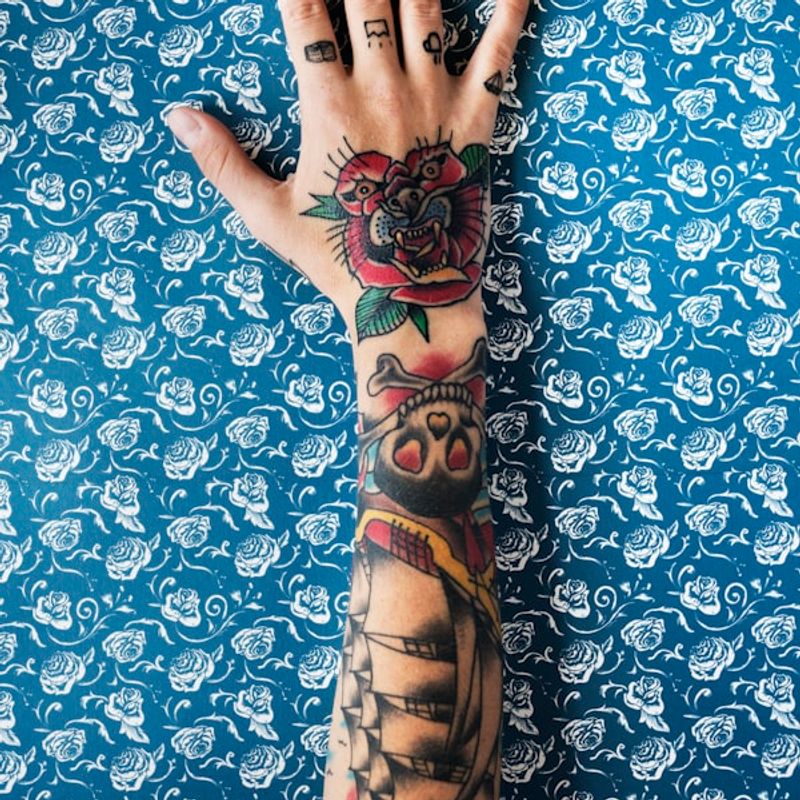


Watercolor tattoos bring the spontaneity of a painted canvas to the human body. Instead of relying on bold outlines, these tattoos use flowing gradients, color bleeds, and splatter effects to create pieces that look like they were painted with a brush. The style draws directly from watercolor painting techniques — wet-on-wet blending, controlled dripping, and translucent layering.
Since gaining mainstream attention in the early 2010s, watercolor tattoos have become one of the most sought-after styles worldwide. They appeal to people who want their ink to feel like wearable art rather than a traditional tattoo — something that stands out, tells a story, and pushes creative boundaries.
Watercolor tattoos are characterized by their lack of hard outlines, their use of vivid colors that blend and fade into one another, and deliberate paint-like effects such as drips, splatters, and brushstroke textures. The ink is applied in layers to mimic the transparency of watercolor paint on paper.
Many modern watercolor tattoos combine this painterly approach with a solid structural element — a fine-line sketch, geometric shape, or blackwork anchor — that gives the design longevity. This hybrid approach addresses early concerns about watercolor tattoos fading faster than traditional styles.
The most popular subjects for watercolor tattoos include flowers (roses, peonies, cherry blossoms), animals (hummingbirds, wolves, butterflies, koi fish), celestial elements (galaxies, nebulas, auroras), abstract splashes of pure color, landscapes and nature scenes (forests, mountains with sunsets), and musical instruments or notes. The style is particularly well-suited to organic subjects where natural flow and movement enhance the design.
Watercolor tattoos thrive on larger, flatter areas of the body where the colors have room to spread and flow naturally. The upper arm, forearm, shoulder, thigh, and back are ideal placements. The ribcage and calf also work well for elongated compositions. Smaller watercolor pieces can work on the wrist or ankle, but the level of detail and blending may be limited by the available space.
This is the most common question about watercolor tattoos, and the answer has evolved. Early watercolor tattoos that relied solely on soft color with no structural elements did tend to blur and fade faster. However, today most experienced watercolor artists incorporate fine-line or blackwork foundations that hold the design together as the softer colors naturally soften over time.
Proper aftercare, sun protection, and choosing an artist who understands ink saturation are key to longevity. A well-executed watercolor tattoo from a skilled artist can look stunning for years with minimal touch-ups.
Watercolor tattooing requires a very specific skill set that not all tattoo artists possess. Look for artists who specialize in this style and have a strong portfolio of healed work — not just fresh tattoos. Key things to evaluate include smooth color transitions without harsh lines, intentional splatter and drip effects that enhance the design, consistent ink saturation across different skin tones, and a solid structural foundation beneath the color work.
On Inkjin, you can browse portfolios filtered by style, making it easy to find watercolor specialists near you. Look at their healed photos, read reviews, and do not hesitate to reach out with questions before booking.
€120–€250
€250–€550
€550–€1,200+
Browse thousands of designs and book top artists on Inkjin.



Privacy is important to us, so you have the option of disabling certain types of cookies that may not be necessary for the basic functioning of the website. Blocking cookies may impact your experience on the website.
Accept all cookies
These items are required to enable basic website functionality.
These items are used to deliver advertising that is more relevant to you and your interests.
These items allow the website to remember choices you make to give you better functionality and personal features.
These items help the website operator understand how its website performs, how visitors interact with the site, and whether there may be technical issues.