
Everything you need to know before getting your first tattoo — from finding inspiration and choosing the right style to picking an artist, preparing for your session, and aftercare.


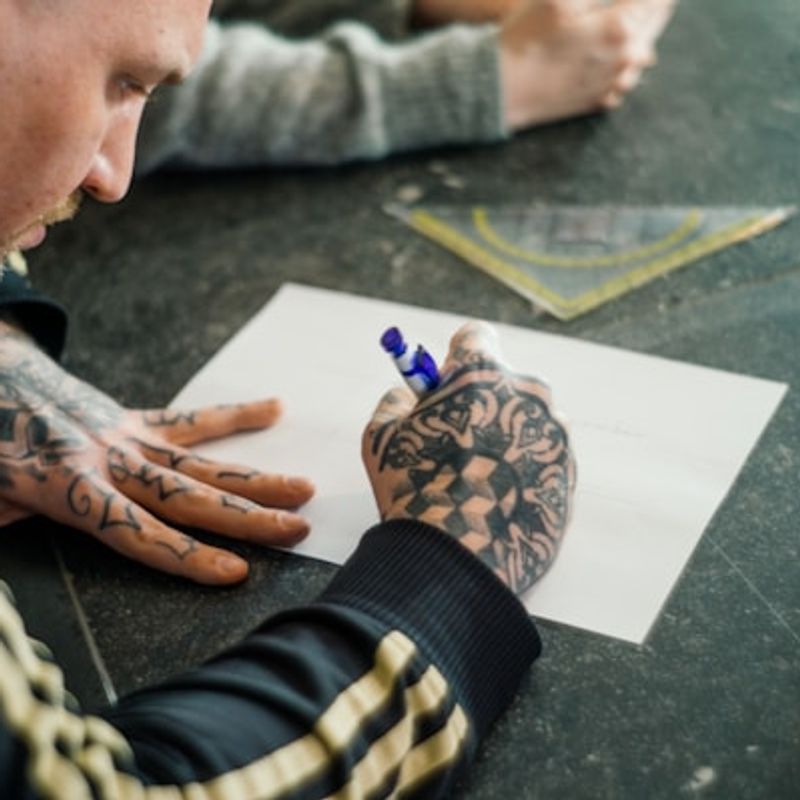
Getting your first tattoo is one of those life moments that stays with you — literally and figuratively. It's exciting, a little nerve-wracking, and deeply personal. Whether you've been thinking about it for years or the idea just clicked last week, the decision to permanently mark your body deserves real thought and preparation. The good news? With the right knowledge, your first tattoo experience can be everything you want it to be: meaningful, beautiful, and something you'll proudly carry for the rest of your life.
This guide walks you through every step of the journey — from that first spark of inspiration all the way through healing and beyond. We'll cover how to find your perfect design, navigate the world of tattoo styles, choose the right placement, understand pricing, vet your artist, prepare for the session itself, and master aftercare. Consider this your one-stop resource — a guide you can bookmark, share with friends, and come back to whenever you need a confidence boost before sitting in that chair.
The first — and often hardest — step is figuring out what you actually want permanently on your body. Start by asking yourself what matters to you. Is there a memory, a person, a place, or an idea that defines a chapter of your life? Some people want something deeply symbolic; others just want something that looks beautiful. Both are completely valid reasons to get tattooed. If you're still in the brainstorming phase, our guide to exploring tattoo inspiration can help you get started with mood boards, reference gathering, and finding what resonates.
Pinterest and Instagram are goldmines for visual inspiration — create a dedicated board and start saving anything that catches your eye, even if it's not exactly what you want. Over time, patterns will emerge: maybe you're drawn to nature themes, geometric shapes, or script lettering. Pay attention to those patterns. You'll also want to understand the difference between flash art (pre-drawn designs available for anyone to get) and custom work (designed specifically for you by your artist). Flash is great for smaller, simpler pieces and is often more affordable, while custom designs let you create something truly one-of-a-kind. For a curated collection of popular starting points, check out our first tattoo ideas guide.
Don't rush this stage. Give yourself weeks or even months to sit with an idea before committing. A useful test: save your top design concept as your phone wallpaper. If you still love it after a month of looking at it every day, it's probably a solid choice. Remember, your artist can always refine and improve a concept — you don't need to walk in with a finished design, just a clear direction.
Tattoo styles are like art movements — each has its own visual language, techniques, and history. For first-timers, the most popular styles include fine line tattoos (delicate, single-needle work perfect for subtle designs), minimalist tattoos (clean, simple designs that make a quiet statement), and blackwork (bold, graphic pieces using solid black ink). Traditional (also called old school) features thick outlines and a limited color palette — think anchors, roses, and swallows. Neo-traditional takes those classic motifs and adds modern detail and shading. Realism attempts to replicate photographs on skin, while watercolor mimics the fluid look of watercolor paintings.
Other styles worth exploring include geometric tattoos (precise shapes and sacred geometry patterns) and watercolor tattoos (vibrant, painterly pieces that stand out). The style you choose should match both your aesthetic and your lifestyle. Fine line tattoos, for instance, are elegant but may require touch-ups over time, while traditional tattoos are known for aging exceptionally well thanks to their bold lines and solid fills.
Here's something most first-timers don't realize: not every artist does every style well. Tattoo artists tend to specialize, and the best results come from matching your desired style to an artist who excels at it. Browse our complete tattoo styles guide to explore each style in depth, see examples, and understand which one speaks to you.
Where you put your tattoo matters just as much as what you get. Placement affects how the design looks, how much it hurts, how visible it is in professional settings, and how well it ages over time. Popular first-tattoo placements include the inner forearm (low pain, easy to show or hide), the upper arm or shoulder (great canvas for medium designs), and the ankle or wrist (classic spots for small pieces). For a deep dive into the pros and cons of every body area, check out our tattoo placement guide.
Pain is the elephant in the room for most first-timers. Here's the honest truth: yes, tattoos hurt, but the level varies dramatically depending on placement. Fleshy areas with more muscle and fat (outer arm, thigh, calf) tend to be the most manageable. Bony spots (ribs, spine, ankles, feet) and areas with thin skin (inner bicep, behind the ear) hurt significantly more. Most people describe the sensation as a hot scratching or vibrating feeling — uncomfortable but tolerable. Our tattoo pain chart breaks down every body area so you know exactly what to expect.
Think about your career and lifestyle too. While tattoo acceptance has skyrocketed in recent years, some industries still have conservative dress codes. If you're unsure, start with a placement that's easy to cover with professional attire — upper arm, back, thigh, or torso. Also consider how placement affects your design: curved body areas (shoulders, ribs) work well with flowing designs, while flat areas (forearm, back) are better for geometric or detailed work. Your artist can advise on the best placement to make your specific design shine.
Tattoo pricing can feel opaque if you've never been through the process. Most artists charge either a flat rate per piece (common for small to medium designs) or an hourly rate (typical for larger, more detailed work). Hourly rates in Europe generally range from €80 to €200+ depending on the artist's experience and location. Factors that affect price include size, complexity, color vs. black and grey, placement difficulty, and the artist's reputation. For a comprehensive breakdown of what drives pricing, see our tattoo cost guide.
Most studios require a deposit (typically €50–€100) to book your appointment, which gets deducted from the final price. This protects the artist's time since they'll spend hours designing your piece before you even sit down. Never try to haggle on tattoo pricing — you're paying for skilled artistry that lives on your body permanently. Cheap tattoos aren't good, and good tattoos aren't cheap. It's also customary to tip your artist, usually 15–20% of the total cost. Not sure about tipping etiquette? Our guide on how much to tip your tattoo artist covers everything you need to know.
A smart approach for first-timers: set a realistic budget before you start looking at artists. For a small first tattoo (2–4 inches), expect to spend €80–€300. Medium pieces (4–8 inches) typically run €300–€800, and larger work can range from €800 to €2,000 or more. Remember that this is a permanent investment in your body — it's worth saving up for the right artist rather than going with whoever's cheapest.
Choosing your tattoo artist is arguably the most important decision in this entire process. Start by browsing Instagram — it's essentially a living portfolio for most tattoo artists. Search hashtags related to your desired style and location (e.g., #finelinetattooberlin or #traditionaltattoolondon). Look for consistency in their work, clean lines, smooth shading, and healed photos (not just fresh tattoos, which always look more vibrant). Check Google reviews and ask friends for recommendations too.
Once you've narrowed down a few artists, book a consultation. This is your chance to discuss your idea, see the studio in person, and gauge whether you feel comfortable with the artist. A good artist will listen to your vision, offer professional suggestions, and be transparent about pricing and timeline. Red flags include artists who pressure you to book immediately, studios that look dirty or disorganized, and portfolios where the quality varies wildly. For a complete walkthrough of what to expect and what questions to ask, read our tattoo consultation guide.
Don't be afraid to ask tough questions during your consultation: How long have they been tattooing? Do they specialize in your desired style? Can they show healed examples of similar work? What's their sterilization process? Do they use single-use needles? A professional artist will welcome these questions — they want informed, confident clients. If an artist seems annoyed by basic safety questions, that's your cue to walk away.
The days leading up to your appointment matter more than you might think. In the 48 hours before your session, avoid alcohol and blood-thinning medications (aspirin, ibuprofen) — these increase bleeding and can affect ink absorption. Stay hydrated, get a good night's sleep, and eat a solid meal an hour or two before your appointment. Low blood sugar during a tattoo session is one of the most common reasons people feel faint or dizzy. Bring a snack and a water bottle too, especially if your session will last longer than an hour.
Wear comfortable, loose-fitting clothing that allows easy access to the area being tattooed. If you're getting a rib piece, a button-up shirt is easier than a pullover. For a thigh tattoo, shorts or loose pants that roll up work perfectly. Bring headphones and a fully charged phone — many people find that music, podcasts, or shows help pass the time and distract from discomfort. Some people bring a friend for moral support, which is totally fine, but check with the studio first as space can be limited.
When you arrive, your artist will show you the design and place a stencil on your skin so you can see exactly how it looks and where it sits. This is your last chance to request adjustments — don't be shy about asking for changes to size, position, or small details. Once you approve the placement, the tattooing begins. The first few minutes are usually the most intense as your body adjusts to the sensation. After that, most people find it becomes more manageable. Breathe deeply, stay relaxed, and communicate with your artist if you need a break. They do this every day and are completely used to first-timers needing a moment.
Proper aftercare is what separates a tattoo that looks amazing for decades from one that fades, blurs, or gets infected. Your artist will wrap your fresh tattoo with either plastic wrap or a breathable film bandage (like Saniderm or Tegaderm). Follow their specific instructions, but here's the general timeline: For the first 2–3 hours, leave the wrap on. When you remove it, gently wash the tattoo with lukewarm water and fragrance-free soap. Pat dry with a clean paper towel — never use a regular towel, as they harbor bacteria. For a detailed day-by-day breakdown, our tattoo aftercare guide has everything you need.
Days 1–3: Your tattoo will be red, slightly swollen, and may ooze small amounts of ink and plasma — this is completely normal. Wash it 2–3 times daily and apply a thin layer of unscented moisturizer (Aquaphor, Hustle Butter, or a dedicated tattoo balm). Days 4–7: The tattoo will start to peel and flake, similar to a sunburn. Do not pick, scratch, or peel the flaking skin. Days 7–14: Itching intensifies as the skin heals. Resist the urge to scratch. By week 3–4, the surface is mostly healed, but the deeper layers continue healing for 2–3 months. During this entire period, avoid swimming, saunas, direct sunlight, and soaking the tattoo. If you're wondering about physical activity, read our guide on exercising after getting a tattoo for specific timelines.
Long-term care matters too. Once your tattoo is fully healed, apply sunscreen (SPF 30+) whenever it's exposed to sunlight. UV rays are the single biggest factor in tattoo fading over time. Keep your skin moisturized, and your tattoo will maintain its vibrancy for years. Some styles — particularly fine line and watercolor — may need a touch-up after a year or two, which is perfectly normal and usually offered by the original artist at a reduced rate.
The biggest mistake first-timers make is rushing the decision. A tattoo is permanent — giving yourself time to research, refine your idea, and find the right artist is never time wasted. Don't book an appointment the same day you decide to get tattooed. Sit with the idea. Sleep on it. If you still want it a month later, you're golden. Another common pitfall is choosing an artist based solely on price or convenience. The cheapest option is almost never the best option when it comes to something that lives on your skin forever. Traveling to see a skilled specialist is almost always worth it.
Skipping the consultation is another frequent error. Some first-timers feel awkward about booking a meeting "just to talk," but consultations are a standard part of the process and most artists expect them. It's your opportunity to ensure you and the artist are on the same page before any ink hits skin. Equally important: don't neglect aftercare. You've just invested hundreds of euros and hours of your time — cutting corners on healing can ruin the result. Follow your artist's aftercare instructions exactly, even when the itching and peeling tempt you to do otherwise.
Finally, be careful about following trends blindly. Tattoo trends come and go — tiny finger tattoos, white ink, inner lip tattoos, and matching couple tattoos have all had their moment. Some of these age poorly or fade quickly due to placement. Instead of chasing what's popular on social media right now, focus on what genuinely resonates with you. The best tattoos are timeless because they mean something to the person wearing them, not because they were trendy in a particular year.
€80–€300
€300–€800
€800–€2,000+
See how it looks on your body with AR, get a price estimate, or find top-rated artists near you.
Browse thousands of designs and book top artists on Inkjin.



Privacy is important to us, so you have the option of disabling certain types of cookies that may not be necessary for the basic functioning of the website. Blocking cookies may impact your experience on the website.
Accept all cookies
These items are required to enable basic website functionality.
These items are used to deliver advertising that is more relevant to you and your interests.
These items allow the website to remember choices you make to give you better functionality and personal features.
These items help the website operator understand how its website performs, how visitors interact with the site, and whether there may be technical issues.