
Precision-driven tattoo art built from shapes, symmetry, and mathematical patterns. Geometric tattoos transform the body into a canvas for structured, visually striking designs.
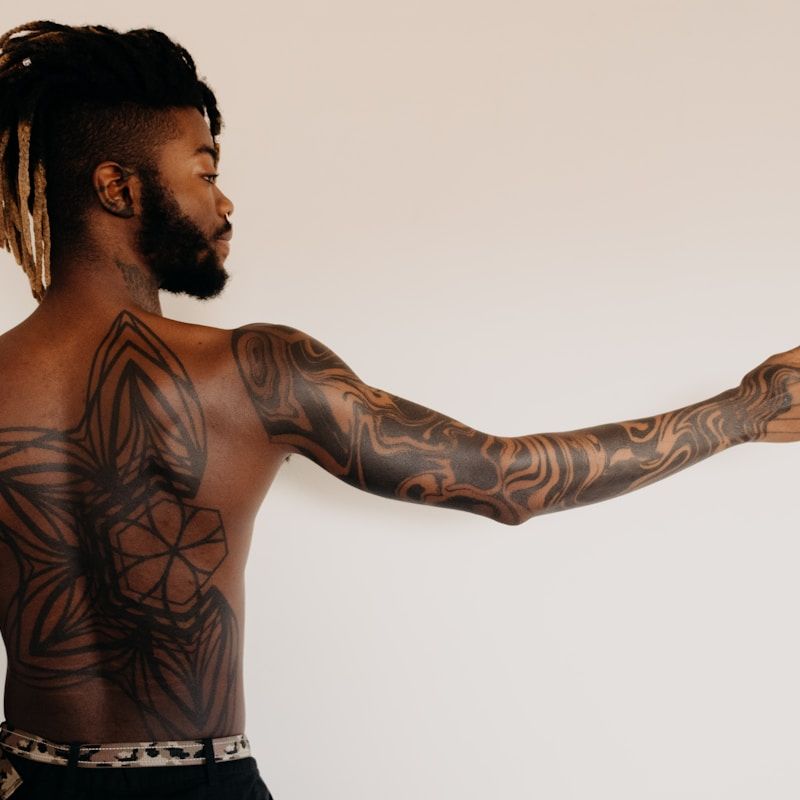
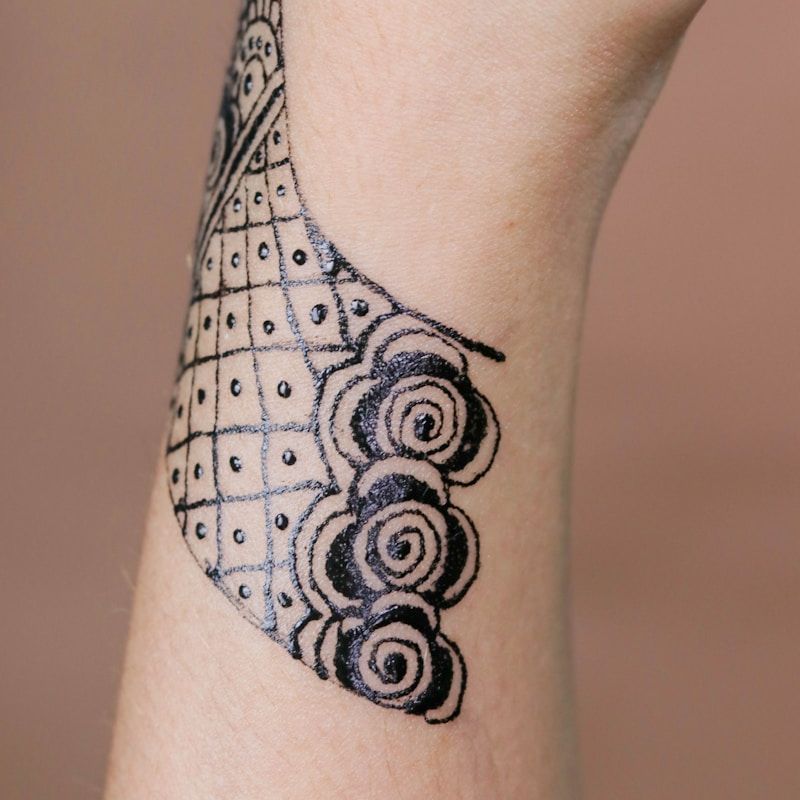
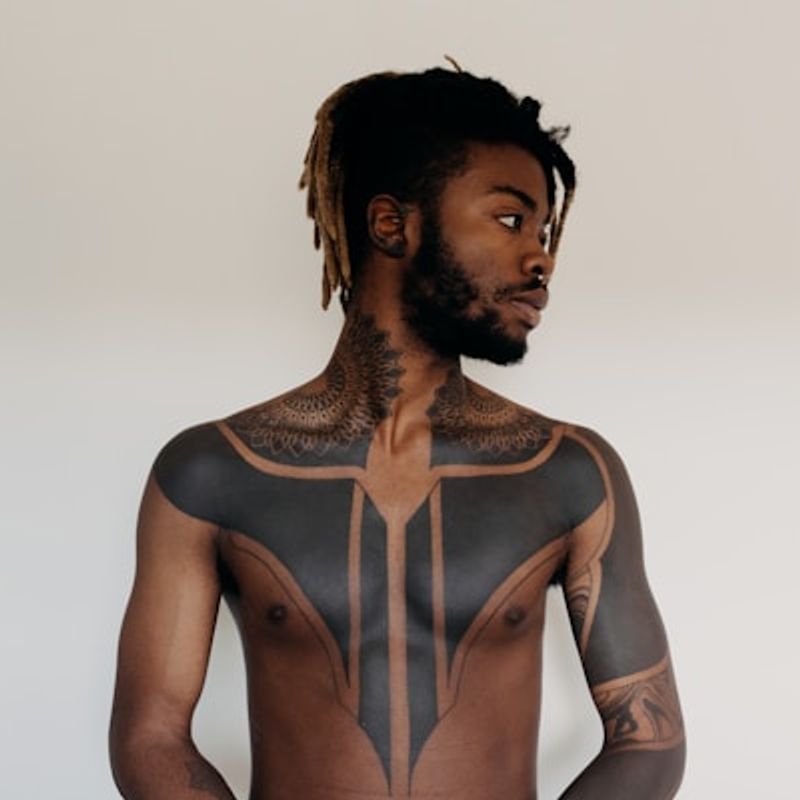
Geometric tattoos are built from the language of mathematics: lines, angles, circles, triangles, and repeating patterns. They range from simple minimalist shapes to elaborate sacred geometry compositions that cover entire limbs. What makes them distinctive is their reliance on precision — every angle, every spacing, every proportion matters.
The style has deep historical roots. Geometric patterns appear in tattooing traditions across cultures, from Polynesian tribal work to Islamic ornamental design. Modern geometric tattooing draws from these traditions while incorporating contemporary design sensibilities and new techniques like dotwork shading.
Pure geometric designs use only abstract shapes — tessellations, fractals, patterns that repeat and interlock. Sacred geometry explores spiritually significant patterns like the Flower of Life, Metatron’s Cube, and mandalas. Geometric animals blend realistic animal forms with geometric fragmentation, where part of the animal dissolves into triangles or polygons.
Geometric landscapes apply the same treatment to nature scenes — mountains, forests, and oceans rendered through geometric shapes. Ornamental geometric work creates flowing, symmetrical patterns that wrap around limbs, often incorporating elements from different cultural traditions.
Geometric tattooing demands extreme precision from the artist. Unlike organic styles where slight variations add character, geometric work exposes every inconsistency. A line that is slightly off-angle, a circle that is not quite round, or spacing that varies by a millimeter — these flaws become permanent and visible.
The best geometric tattoo artists use digital tools to design precise templates, then transfer them to the body with careful attention to how the flat design maps onto curved anatomy. This is where experience matters most: a pattern that looks perfect on paper can distort on a bicep or rib cage if the artist does not account for body curvature.
Geometric tattoos work best on body parts that offer relatively flat, stable surfaces. The forearm is the most popular placement — it provides a natural frame and is easy for the artist to work on. The upper arm and shoulder allow for mandala-style designs that radiate outward. The shin and calf offer excellent vertical canvases for elongated geometric compositions.
For smaller geometric tattoos, the wrist, ankle, and behind the ear work well. The chest and back are ideal for symmetrical designs that use the body’s natural center line as a mirror axis.
Look specifically for artists who specialize in geometric work. Check their portfolio for healed photos — fresh geometric tattoos always look sharp, but healed work reveals whether the artist’s precision holds up. Consistent line weights, true circles, and symmetrical patterns in healed photos are the strongest indicators of skill.
€100–€200
€200–€500
€500–€1,000+
Browse thousands of designs and book top artists on Inkjin.



Privacy is important to us, so you have the option of disabling certain types of cookies that may not be necessary for the basic functioning of the website. Blocking cookies may impact your experience on the website.
Accept all cookies
These items are required to enable basic website functionality.
These items are used to deliver advertising that is more relevant to you and your interests.
These items allow the website to remember choices you make to give you better functionality and personal features.
These items help the website operator understand how its website performs, how visitors interact with the site, and whether there may be technical issues.