
Bold, graphic, and striking. Blackwork tattoos use solid black ink to create powerful designs ranging from geometric patterns to large-scale illustrative pieces.
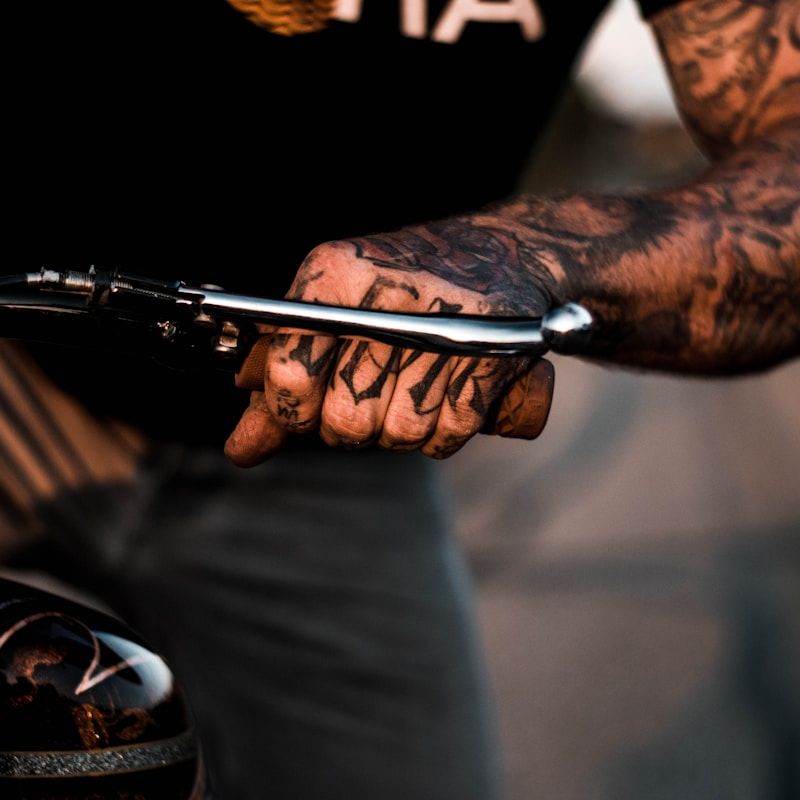
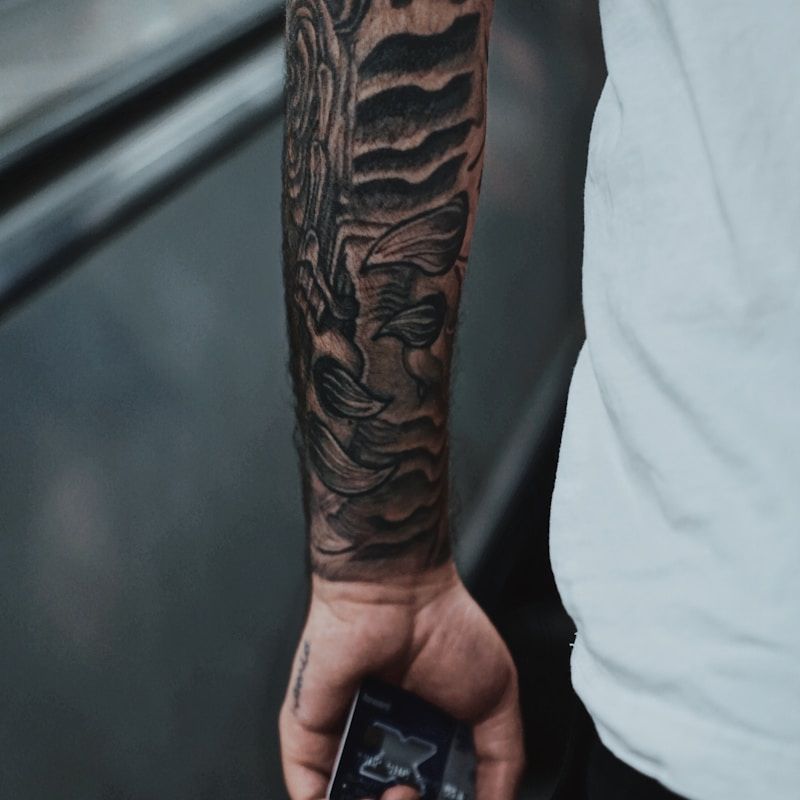
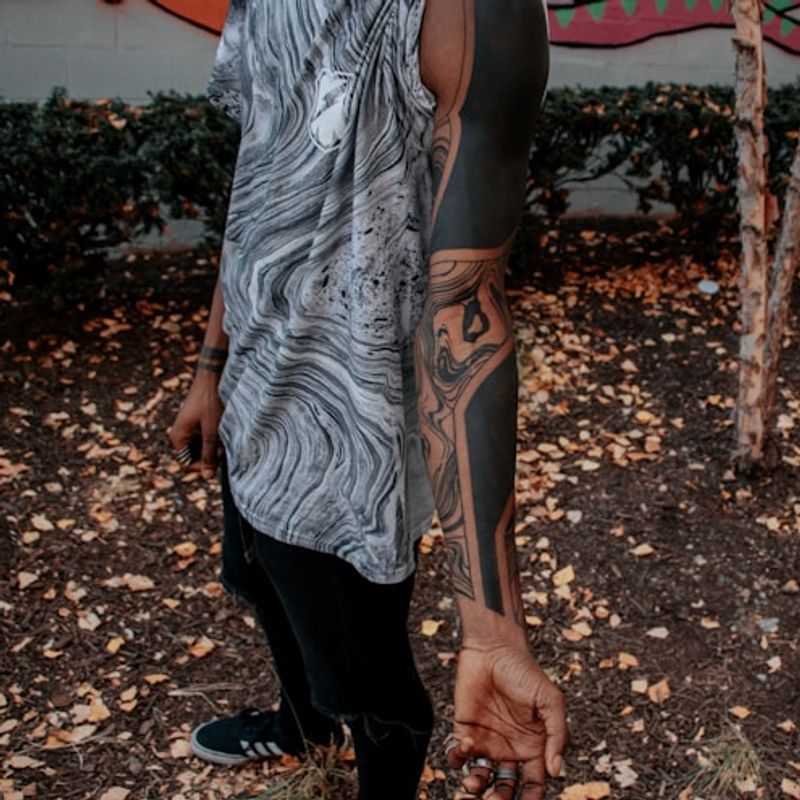
Blackwork is one of the oldest and most versatile tattoo styles. At its core, it refers to any tattoo created using only black ink — but within that definition lies an enormous range of approaches, from dense geometric patterns and dotwork mandalas to bold illustrative compositions and full blackout coverage.
What unites all blackwork is the commitment to contrast. Without color or grey shading to soften the impact, blackwork tattoos create stark visual statements that command attention. The style rewards both large-scale compositions and precise small designs.
Blackwork is an umbrella term that encompasses several distinct approaches. Geometric blackwork uses mathematical precision — sacred geometry, tessellations, and symmetrical patterns. Tribal blackwork draws from Polynesian, Maori, and indigenous traditions with bold, flowing patterns that follow the body’s contours. Illustrative blackwork applies traditional illustration techniques using only black ink, creating detailed scenes, figures, and compositions.
Dotwork blackwork builds images entirely from individual dots, creating texture and gradients without solid lines. Ornamental blackwork combines decorative motifs — mandalas, filigree, lace patterns — into flowing body-conforming designs. Each sub-style requires different technical skills from the artist.
Blackwork appeals to people who want tattoos with visual weight and longevity. Black ink is the most stable pigment — it fades the least over time, meaning blackwork tattoos tend to age better than color work. The bold contrast also makes blackwork highly readable at any distance, which matters for larger pieces.
Many people also choose blackwork for its versatility as a cover-up style. Solid black ink can effectively conceal older, faded, or unwanted tattoos, making it a practical choice for transformation pieces.
Blackwork thrives on larger body areas where patterns can flow with the anatomy. The forearm, upper arm, and full sleeve are the most popular placements. Chest and back pieces allow for expansive compositions. Geometric and ornamental blackwork also works well on the shin, thigh, and calf where flat surfaces showcase precise patterns.
Smaller blackwork pieces — symbols, small geometric shapes, or linework — work on the wrist, ankle, or behind the ear. However, blackwork generally shines when given room to breathe.
Solid saturation is the defining quality of great blackwork. In healed photos, look for consistent ink density without patchiness or grey spots. Clean edges and smooth transitions between black areas and skin are essential. For geometric work, symmetry and precision are non-negotiable — even small inconsistencies become obvious in healed geometric tattoos.
€100–€220
€220–€550
€550–€1,200+
Browse thousands of designs and book top artists on Inkjin.



Privacy is important to us, so you have the option of disabling certain types of cookies that may not be necessary for the basic functioning of the website. Blocking cookies may impact your experience on the website.
Accept all cookies
These items are required to enable basic website functionality.
These items are used to deliver advertising that is more relevant to you and your interests.
These items allow the website to remember choices you make to give you better functionality and personal features.
These items help the website operator understand how its website performs, how visitors interact with the site, and whether there may be technical issues.