
Tattoo Size & Placement Guide
Standard tattoo sizes range from 2x2 inches (5x5 cm) for small wrist symbols, 4x4 inches (10x10 cm) for palm-sized shoulder pieces, up to 8x10 inches (20x25 cm) for half-sleeves. A reliable tattoo size chart helps you visualize the physical space your design will cover and estimate the final cost based on the artist's hourly rate.
Why size & placement matter
Most tattoo regret doesn’t come from the design. It comes from choosing a size that was too small, or a placement that didn’t age well.
Skin stretches, moves, and changes. Some areas hold detail for decades. Others blur faster — especially with small tattoos.
Size and placement directly affect time. Time is the single biggest driver of tattoo price. For real-world ranges and budgeting, see the Tattoo Pricing Guide.
On this page
Visual Tattoo Size Chart
A 4-inch tattoo looks huge on a wrist, but tiny on a thigh. Use this visual reference to estimate your placement.
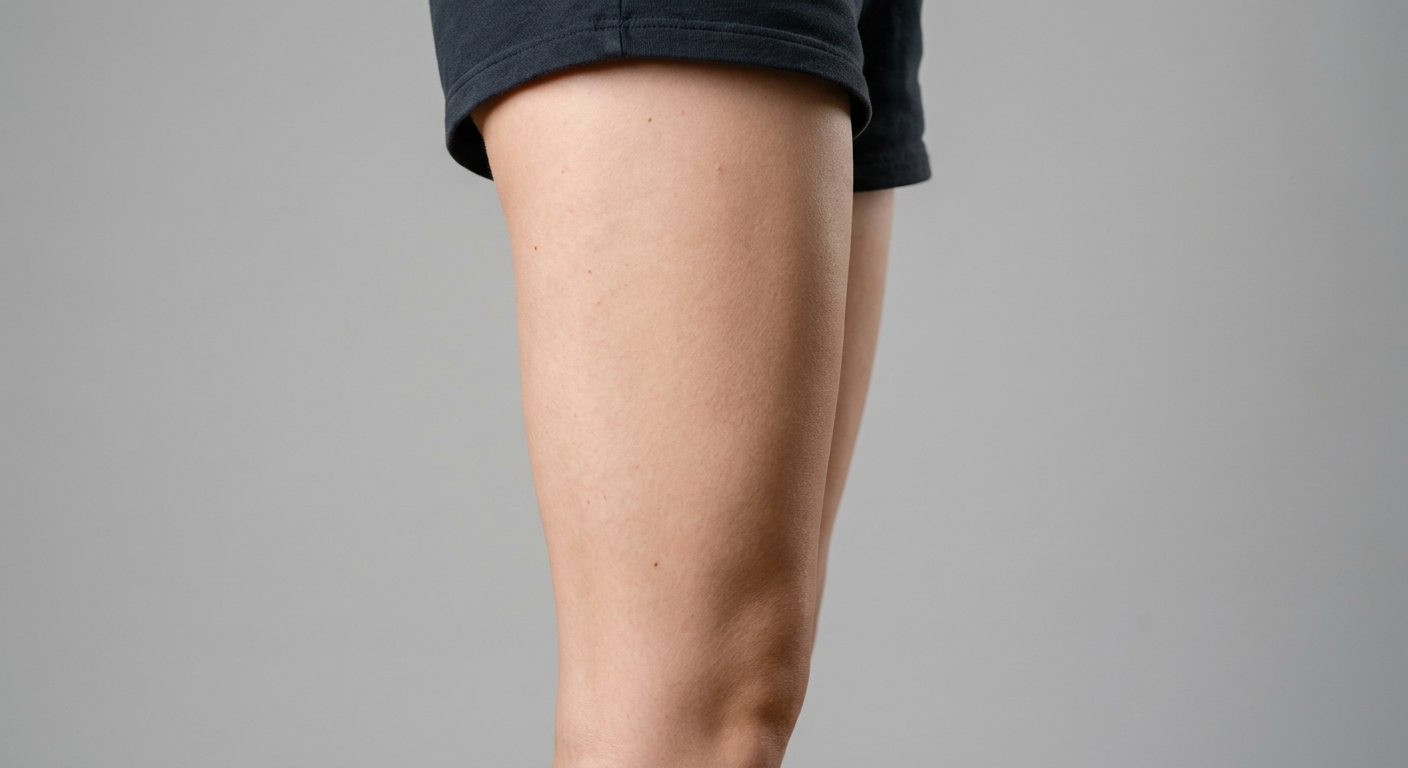
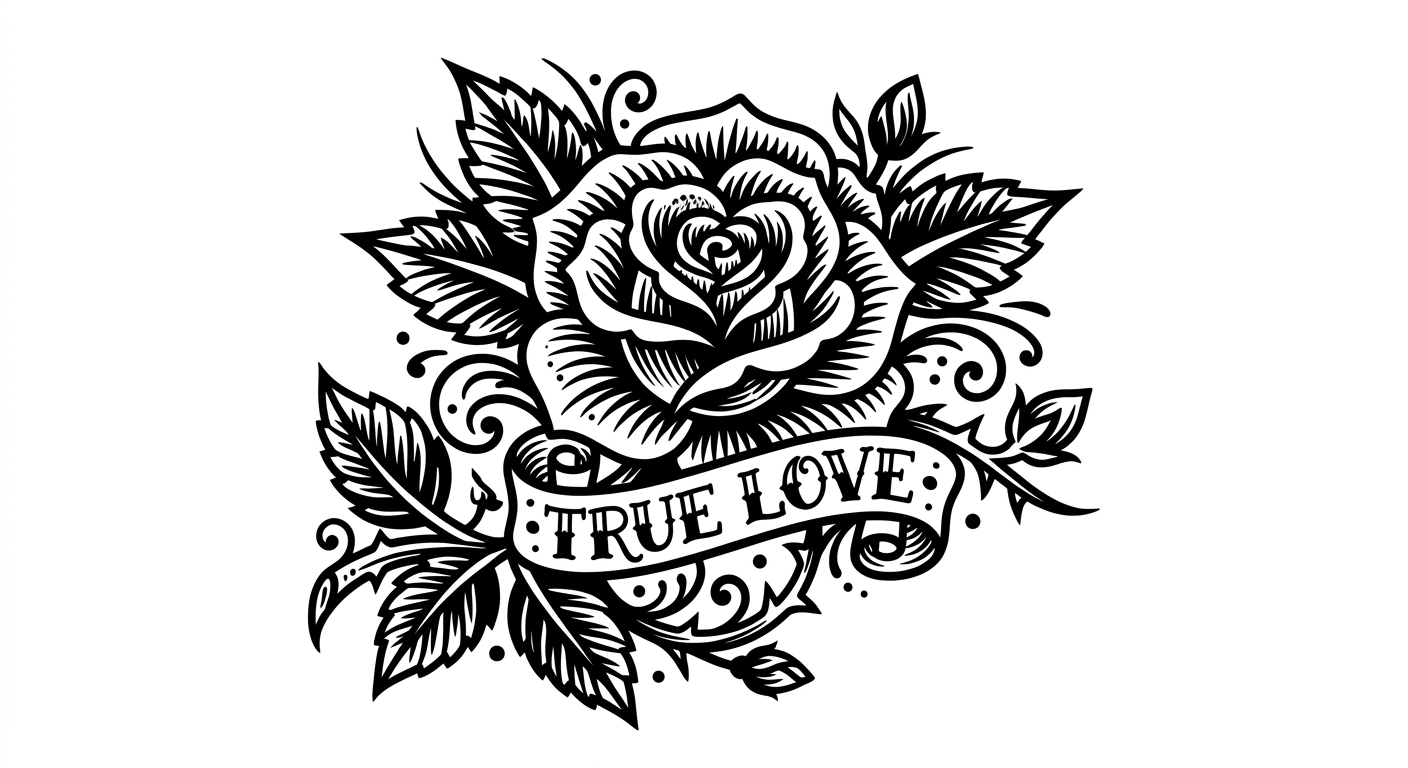
2 Inches (5 cm)
Perfect for minimalist symbols, fine line work, and discrete placements like the inner wrist, ankle, or behind the ear.
4 Inches (10 cm)
The most popular medium size. Ideal for palm-sized traditional pieces, detailed geometric designs, or inner forearm placements.
6+ Inches (15+ cm)
Great for statement pieces like half-sleeves, calf tattoos, or chest work. Allows for high detail and complex shading.
Stop Guessing. See It On Your Skin.
A static chart can't show you how a design wraps around your body. Project any tattoo onto yourself in real-time with our free AR app.
Try it in AR (Free App)How big should my tattoo be?
The most common mistake is going too small. Fine details need space — otherwise they blur as the tattoo ages.
| Size | Best for | Watch out |
|---|---|---|
| Small (2–5 cm) | Simple symbols, minimal linework | Detail loss over time |
| Medium (6–12 cm) | Most designs, text, icons | Needs clean spacing |
| Large (13+ cm) | Complex designs, realism | Multiple sessions |
Best tattoo placements
Forearm
Excellent aging, visibility control, low regret.
Upper arm / shoulder
Great for larger pieces and long-term clarity.
Ribs / sides
Looks great, but painful and movement-heavy.
Pain by placement (honest version)
Pain tolerance varies, but nerves and bone proximity matter.
Lower pain
Forearms, calves, outer arms.
Higher pain
Ribs, feet, hands, spine.
How tattoos age by location
Friction, sun exposure, and skin thickness decide how long detail survives.
Does size affect price?
Yes — but detail density matters more than raw size.
FAQ
How big should my first tattoo be?
What placement ages best?
Does placement affect price?
Continue with the next decision most people face.