
Realism tattoos replicate photographs on skin with stunning detail. Discover styles, pricing, artist tips, and what makes photorealistic ink stand out.
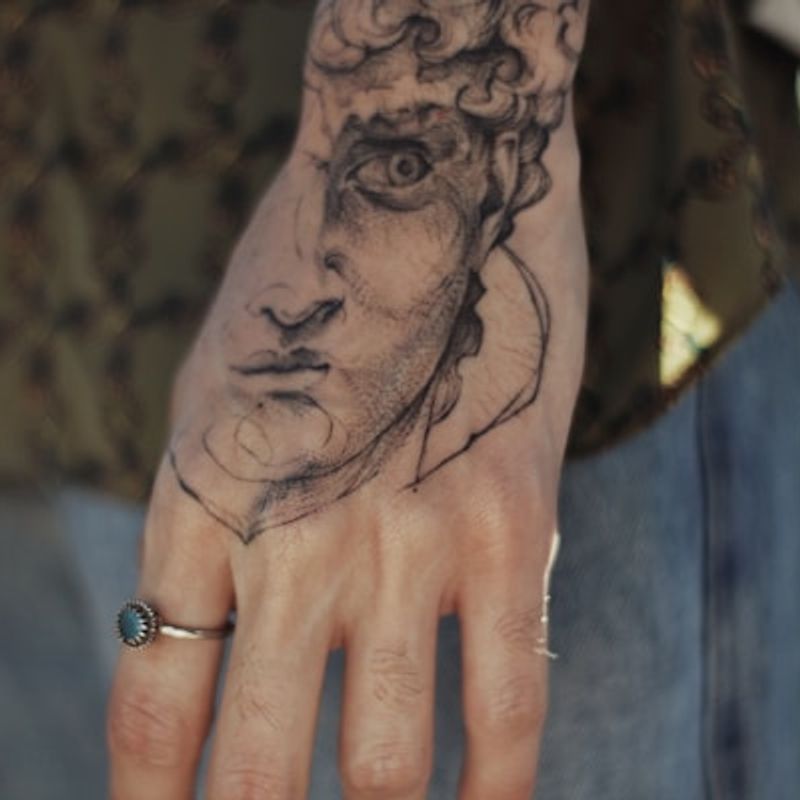
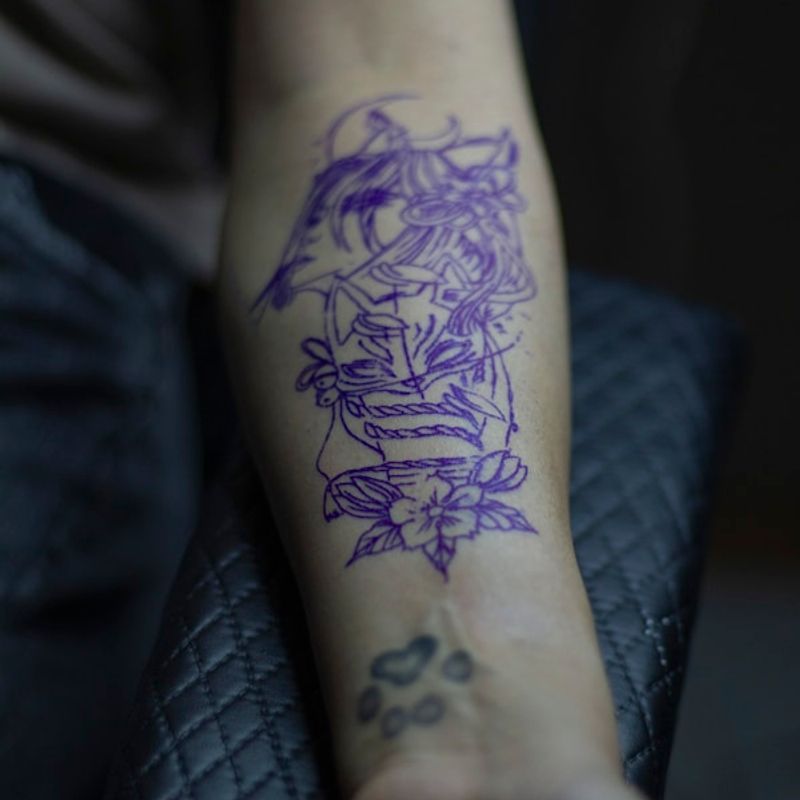
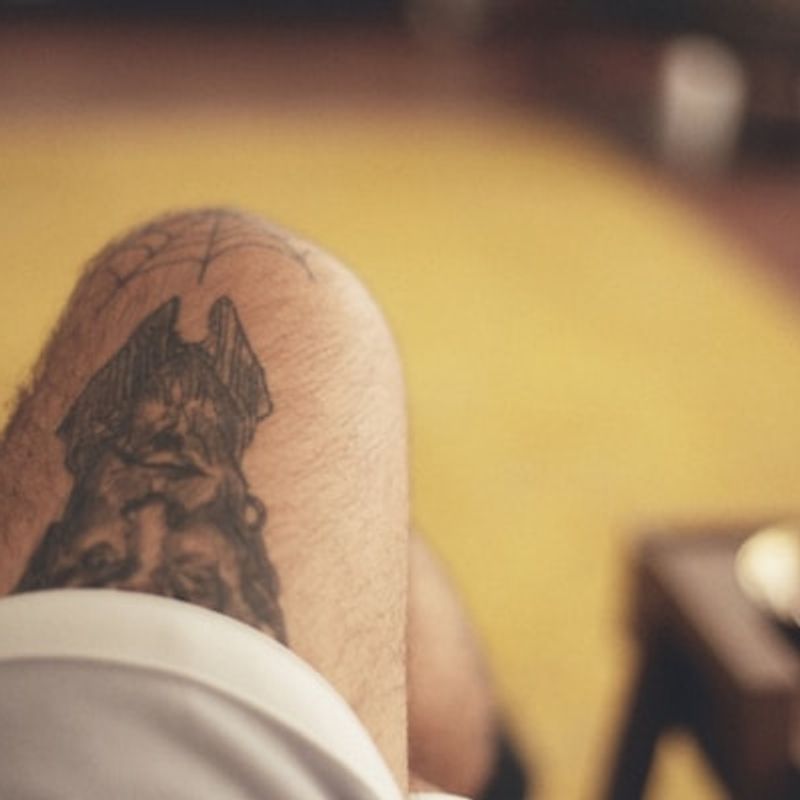
Realism tattoos are the closest thing to wearing a photograph on your skin. Born from the portrait and hyperrealism movements of the late 20th century, this style demands an artist with an exceptional understanding of light, shadow, depth, and anatomy. Every gradient, every highlight, every pore-level detail is rendered freehand with a tattoo machine — no filters, no shortcuts.
Whether you want a black-and-grey portrait of a loved one, a colour-saturated animal study, or a surreal composition blending multiple references, realism tattooing sits at the technical pinnacle of the craft. It is also one of the most unforgiving styles: small errors in proportion or shading are immediately obvious because the viewer's eye instinctively compares the tattoo to real life. That is exactly why choosing the right artist — and understanding what the style requires — matters more here than in almost any other genre.
Realism tattoos aim to reproduce a subject exactly as it appears in a photograph or in life. The style relies on smooth tonal gradients rather than bold outlines. Artists build form through meticulous shading — layering diluted ink washes for soft mid-tones, leaving skin untouched for highlights, and packing saturated pigment for deep shadows. The absence of a hard black outline is the single biggest visual distinction from traditional or illustrative work.
Within the realism umbrella you will find two primary branches. Black-and-grey realism uses a single ink colour diluted to various grey values, producing a monochromatic look reminiscent of pencil drawings or classic photography. Colour realism adds a full palette and demands even more precision because the artist must match exact hues, control saturation, and prevent muddy colour blending as the tattoo heals. A third emerging sub-style — surrealism or hyper-realism — combines photorealistic elements with impossible or dreamlike compositions, such as a clock melting into a rose.
Portraits dominate the realism category — faces of family members, musicians, film characters, and pets are perennial favourites. A skilled realism artist can capture not just likeness but emotion: the crinkle around an eye, the tension in a jaw, the way light catches an iris. Animal realism is equally popular, with lions, wolves, eagles, and elephants rendered in photographic detail. Nature scenes — mountain ranges, ocean waves, forests at dusk — translate beautifully into large-scale realism pieces.
Beyond the classic subjects, realism tattoos increasingly feature everyday objects elevated through hyperrealistic treatment: vintage cameras, mechanical watches, fruit, gemstones, or droplets of water on glass. These still-life compositions showcase technical mastery while offering a more personal, less conventional approach. Religious and mythological imagery — from Michelangelo-inspired figures to Greek statuary — also remains a staple of the genre, especially in large back and sleeve compositions.
Realism thrives on space. The more canvas the artist has, the more detail and depth they can pack into the piece. The upper arm, forearm, and full sleeve are the most popular placements because they offer a curved but generous surface that naturally wraps around muscle structure. Thighs and calves work exceptionally well for larger compositions — a full thigh piece can rival a canvas painting in terms of detail and impact.
Chest panels and back pieces are reserved for the most ambitious realism projects — multi-session works that can take 20–40 hours to complete. Smaller placements like the wrist, ankle, or behind the ear are generally not recommended for true realism because the fine tonal gradients compress and blur over time on small surfaces. If you want a small realism piece, the inner forearm or shoulder blade are better choices because the skin holds detail well and sees less sun exposure.
Ageing is the elephant in the room for realism tattoos. Because the style depends on subtle tonal shifts and fine detail, it is more susceptible to softening over time than bold-lined styles like traditional or blackwork. Black-and-grey realism generally ages more gracefully because the monochromatic palette tolerates slight spreading without losing readability. Colour realism can fade unevenly — reds and oranges hold well, while lighter tones like yellow and white may recede within a few years.
Proper aftercare is non-negotiable for realism tattoos. Keep the fresh tattoo out of direct sunlight, avoid soaking it in water for at least two weeks, and apply a thin layer of fragrance-free moisturiser during healing. Long-term, SPF 50 sunscreen on exposed tattoos will dramatically slow fading. Many realism collectors schedule a touch-up session 12–18 months after the initial work to tighten details and refresh any areas that have softened. Think of it as routine maintenance, not a sign of poor artistry.
More than any other style, realism tattooing separates the specialists from the generalists. Look for an artist whose portfolio is dominated by realism — ideally the specific sub-style you want (black-and-grey portraits, colour animals, surreal compositions). Study healed photos, not just fresh ones; fresh tattoos always look sharper. An artist confident in their realism work will have healed examples readily available. Red flags include portfolios that show only fresh work, heavy use of photo filters, or an unwillingness to share reference photos next to the finished tattoo.
Expect to pay a premium. Top realism artists in Europe charge €150–€250 per hour, and a detailed portrait sleeve can require 30+ hours across multiple sessions. Booking wait times of 3–12 months are common for sought-after specialists. When you consult with your chosen artist, bring the highest-resolution reference photos possible — realism depends entirely on the quality of the source material. Discuss placement, sizing, and whether to go black-and-grey or colour. A good realism artist will tell you honestly if a design is too small or if a placement will compromise the result over time.
€150–€350
€350–€800
€800–€2500+
See how it looks on your body with AR, get a price estimate, or find top-rated artists near you.
Browse thousands of designs and book top artists on Inkjin.



Privacy is important to us, so you have the option of disabling certain types of cookies that may not be necessary for the basic functioning of the website. Blocking cookies may impact your experience on the website.
Accept all cookies
These items are required to enable basic website functionality.
These items are used to deliver advertising that is more relevant to you and your interests.
These items allow the website to remember choices you make to give you better functionality and personal features.
These items help the website operator understand how its website performs, how visitors interact with the site, and whether there may be technical issues.