
A comprehensive guide to everything you should be aware of before getting your first tattoo, from seeking out design ideas, selecting the appropriate type of tattoo, finding the ideal artist, and being ready for your appointment, through to caring for it in the days after.


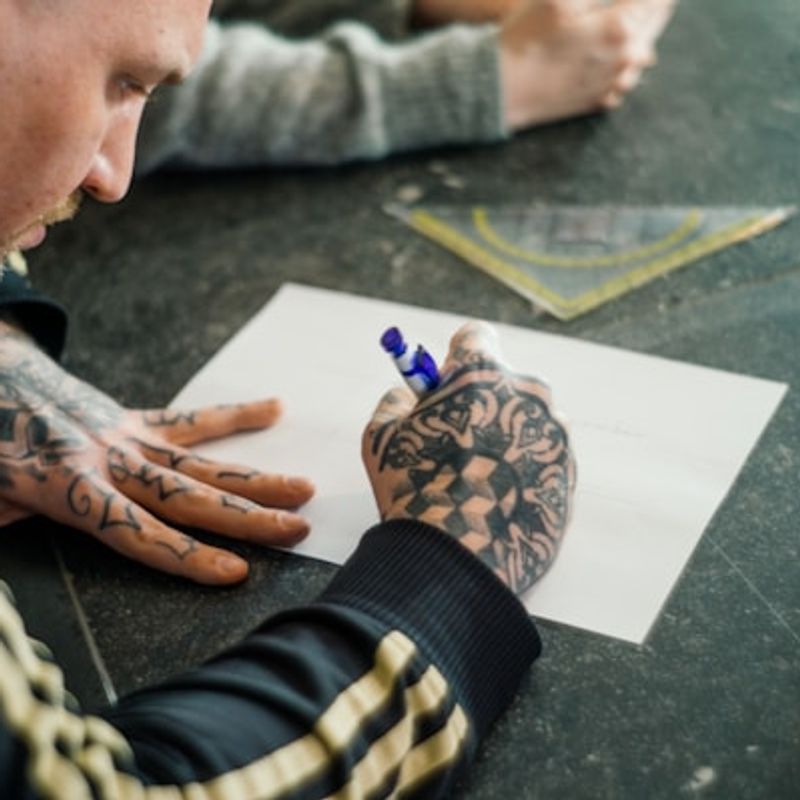
Having your first tattoo will always be a memorable experience on your skin, and in your mind. It's fun, intimidating, and very personal. Whether you've been contemplating getting a tattoo for ages or just thought of the idea a few days ago, getting a tattoo is a serious decision that warrants some planning. If you're prepared, the experience of getting a tattoo is as rewarding and memorable as you want it to be.
You’ll get all the information you need about everything from the first thought that inspired a tattoo to the process of healing and going forward. How to find a tattoo design; the various tattoo styles and how to select yours; getting a tattoo in a certain spot; how much does a tattoo cost; how to vet a tattoo artist; how to prep for a tattoo; and what to do post tattoo tattoo aftercare, it’s all in one place. This is a go-to guide that you can keep in the bookmarks, that you can forward to your BFFs, and that you can go back and read as many times as you need before getting your next tattoo.
The first, and possibly most important step, is deciding what you would like to have tattooed on you for life. Think of what this is all about for you. Do you have a moment, person, location, or thought you'd like to commemorate with ink? Others find inspiration in something they think just looks cool. Both are totally fine reasons to get a tattoo. Still figuring out where to begin, check out our article for finding inspiration for your first tattoo and learn how to put together mood boards and find your references.
Pinterest and Instagram are both excellent sources of inspiration. Set up a Pinterest board or a folder and save all of the tattoo designs that you like, and you don't even have to like it to save it. Inevitably, you'll start noticing the common elements within your saved designs. Are they all nature-themed? Are they all geometric? Are they all script tattoos? It's also good practice at this point to know the difference between "flash" and "custom" tattoos. Flash art refers to designs that are pre-created and available to anyone who is interested. Custom tattoos are ones that your artist creates just for you and are generally more expensive. Flash tattoos work well for smaller tattoos, while custom tattoos allow you to create something unique and personalized to you. For the sake of a starting place, check out our first tattoo ideas guide.
It’s not something you want to rush; allow yourself weeks or perhaps even months to think about a specific design before choosing one. Try this trick: save your design of choice as your wallpaper, and see how you feel about it after a month. If you still dig it, you’ve made a good choice. Don’t stress about having the perfect design in mind; your artist is more than capable of making adjustments or tweaking a design to make it perfect for your body.
Like all forms of art, tattooing has a distinct style. Some of the most popular styles for new-timers include fine line tattoos, a technique in which an artist tattoos one or more single lines at a time creating a very delicate design; minimalist tattoos, which are usually simple designs that aren’t meant to stand out too much; blackwork tattoos, which are very graphic designs created entirely from solid black ink; and traditional tattoos, which are also known as old school tattoos because they were among the first tattoo styles developed by tattoo artists. These designs have thick black outlines and limited colors. Examples include classic motifs like anchors, roses, and swallows. Neo-traditional tattoos are similar to traditional designs, but they also include modern elements such as more detail and shading. Realism tattoos replicate the look of real objects or portraits; they were designed to look as though someone had taken a photograph and printed it on the skin, whereas watercolor tattoos look like watercolor paintings.
You might also consider geometric tattoos, which are characterized by accurate shapes and patterns, often derived from sacred geometry, or watercolor tattoos, which offer more vibrant color and an artistic effect that makes them visually striking. Regardless of your choice, consider both your style and lifestyle before you decide which option is right for you. For instance, though fine line tattoos look great, you might need to have your tattoo refreshed more regularly, whereas traditional tattoos age well, largely due to their bold lines and filled in coloring.
Here's an important thing to note if this is your first tattoo: not every tattoo style will work with every tattoo artist. We suggest you find an artist that is highly skilled in the particular style that you want to get. Check out our full list of tattoos styles, including examples of each style, to decide which style is right for you.
Your tattoo placement matters just as much as the design itself. Different placement spots have different pain levels, aesthetics, and longevity. They also impact how easy (or difficult) it is for your tattoo to remain hidden from your boss or potential hiring managers down the line. Some of the best tattoo placement options for beginners include the inner forearm (low pain level and it’s easy to conceal or show-off), the bicep (a classic spot that makes a good canvas for a medium-size tattoo) and even the ankle or wrist (great locations for smaller tattoos). Read more about the pros and cons of the top body areas in our tattoo placement guide.
We’re all gonna be honest: for a beginner, pain is the elephant in the room, right? Here's the thing about that pain, though, it does vary from person to person and location to location. So yes, a tattoo does hurt a little. But if you choose a fleshier spot (think outer arm, thigh, calf and the like) that has more cushioning (muscle or fat), it hurts less. Areas with bone, such as ribs, spine, ankles and feet, or areas with thin skin, such as the inner bicep or behind the ear, hurt more. Most people we’ve tattooed have described the sensation as being like a hot scratch or vibrator. It’s not great, but it’s doable, so no one should hesitate because of it. Our tattoo pain chart breaks it all down for you, giving you the scoop on how to expect to feel on any area of your body.
Also, think about your career and lifestyle. Acceptance for tattoos is increasing in recent years, but some jobs are still pretty conservative. If you are concerned, you might want to pick a spot that's easy to conceal, like the top arm, the back, thigh, or torso. Another thing to consider is how the location can affect your design, like a shoulder or rib, which could be better for a curvier design, or a more straight-forward design on the arm or back. Your artist can help point you in the right direction for where to get your tattoo so it'll look the best.
Unless you have gotten tattoos before it can be a little confusing when you're trying to figure out the pricing of tattoos. Tattoos will either be flat rate, where you pay a fixed amount for a small to average size tattoo, or an hourly rate for larger, more complex tattoos, in which case you will be charged by the hour. Hourly rates in Europe will range from between €80-€200+ per hour. There is a number of factors that affect the price, including size, complexity, colour vs black and grey tattoo, placement, and the tattoo artist's status. To get a detailed insight into all the factors that drive the price of tattoos, check out our guide to the price of tattoos.
Most studios will ask for a small deposit (€50 to €100) in order to reserve an appointment which is then credited against the price of the tattoo. This is an additional way to show that you are committed to having that piece tattooed because as I mentioned before, these guys spend hours planning and designing your tattoo before you even sit down in the chair. Don't try to bargain the price because tattoo prices are never negotiable, you are paying for the art. Bad tattoos aren't cheap. Cheap tattoos aren't good. Good tattoos are never cheap. Tip your artist. It is common practice to give at least 15-20% of the cost to the artist. If you're new to the whole tipping etiquette thing and don't know how to tip your tattoo artist, I've created a guide for this very reason.
If you’re planning your first tattoo, it pays to have a budget in mind. A small tattoo (2 to 4” long) will typically set you back between €80 and €300; medium-sized tattoos (4 to 8”) cost anywhere from €300 to €800; and larger designs can easily run you €800 to 2,000. It’s a lifelong investment, make sure it’s for a good, quality artist you love. So, it may be better to wait rather than getting a cheap tattoo that you won’t be happy with.
Deciding upon your tattoo artist is probably the most important choice you can make in this process. Start by looking through Instagram, which essentially serves as a living portfolio for most tattoo artists. Look up hashtags that describe the tattoo style and country/city of your choice, such as #finelinetattooberlin or #traditionaltattoolondon. Search the artist's profile and assess how good their work is: check that it is consistent, the lines are clean and well-executed, the shading is even and smooth and also check to see how the tattoo looks when it is healed, rather than in its freshly inked state (which will always look better because there will be some redness and flaking that can make the ink look more vivid). Additionally, take a look at Google Reviews and ask any friends you have if they know any tattooists you might be able to trust.
Shortlist a handful of artists. Book a consultation to talk through your idea, take a tour of the studio, and get a vibe check to make sure you’re comfortable with them. A good artist should listen to your vision, give you their take on what they think will look best, and be straightforward about price and how long the process will take. Red flags include artists who push you to book ASAP, unclean or run-down studio spaces, or portfolios where there’s significant variance in quality. We also have a comprehensive tattoo consultation guide that breaks down what to look for and what questions to ask the artist.
And don't shy away from asking direct questions: How long have you been doing tattooing? Are you well versed in my chosen style? Could I see pictures of healed tattoos that you have done previously? What is the sterilization procedure? Do you use single-use needles? You should know that a well-respected artist will have no problem with answering these questions, and will actually be happy to have a smart, self-assured client. If an artist is upset or annoyed at you when you inquire on standard safety practices, then run!
Actually, the two days before you get a tattoo can be just as crucial as the appointment itself. You should refrain from drinking alcohol and from taking aspirin or any other blood thinners, as these can lead to more bleeding than usual and might affect the tattoo itself. Try not to be dehydrated, be well rested and make sure you’ve eaten properly at least an hour or two before going. Feeling faint or light-headed during a tattoo session most commonly occurs when your blood sugar is too low. It’s always a good idea to take a snack along, and even more important if you’re there for more than an hour: a water bottle.
Bring clothes that you don't mind getting dirty and can be pulled down or up easily. If you're getting a rib piece, a button up shirt is easier than a pullover, while shorts or pants that can roll up are ideal for a thigh tattoo. A phone or iPod with headphones is helpful if you listen to music or podcasts or watch a movie on your phone during the tattoo. Sometimes people bring a friend for company. That's fine, but call the shop first and ask about the policy and the available space.
On arrival, your tattoo artist will show you what your design looks like and put it up as a stencil on your skin, so you can see exactly what it looks like, and what position it's in. Now is the time to ask for any last-minute changes to the size, position or details. You should feel comfortable asking for changes at any time. When you’re ready, your artist will begin the tattoo. For most people, the initial moments are the most painful until your body adjusts to the sensation. Once you get going, the process is much easier. You might want to take deep breaths and keep relaxed. Let your tattoo artist know when you need a break. Most of them see a lot of first timers each day, and are used to people needing a short rest.
What turns a good tattoo into a great one that lasts decades? Proper aftercare. If done correctly, your ink won't fade, blur, or become infected. Your tattoo artist will cover your new piece with plastic or a breathable bandage (like Saniderm or Tegaderm). Here are the basics for caring for your new skin art: Leave it covered for two to three hours, then remove it and wash it thoroughly with lukewarm water and unscented soap. Dry it by blotting with a clean paper towel, and don't use a cloth towel, which can carry bacteria. If you want more information about the do's and don'ts on a daily schedule, you can consult our tattoo aftercare guide.
Days 1 to 3: Expect redness, swelling, and ink/plasma leaking from the area; this is normal. Wash the tattoo 2 to 3 times per day and keep it lightly moist with unscented Aquaphor, Hustle Butter or a specific tattoo balm. Days 4 to 7: Your tattoo will start to peel and flake off in a similar fashion as a sunburn. Do not pick, scratch or peel any of your flaking skin. Days 7 to 14: You will feel some increased itchiness as your skin heals and you should avoid scratching it. By week 3 to 4, the tattoo should look mostly healed, though healing may take a further 2 to 3 months to complete for your skin's deeper layers. Throughout the entire healing process, be sure not to go swimming, use saunas, expose the tattoo to direct sun, or soak your tattoo in hot tubs. And if you are wondering if you can work out, please read our guide on when to exercise after a tattoo and when it is safe to hit the gym.
Long-term care counts too. When the tattoo has healed completely, remember to put sunscreen on it (at least SPF 30+) every time it's out in the sun; UV rays are the main culprit for tattoos fading over time. As long as the skin is kept moisturized, the tattoo will stay bright. Certain designs, like fine line and watercolor, might need to be touched up after a year or so, and that's totally normal; the artist who created the tattoo typically offers them a discounted touch-up price.
The most common mistake I see is people rushing the process. A tattoo is there forever so taking your time to think about your design and finding a good artist is always worth the wait. Do not book on the same day that you decide to get a tattoo. Think it over for a while. Sleep on it and after a month still want it, then you're set. Also don't just choose an artist because they're the closest option or they offer the cheapest prices. You can rarely go wrong by visiting someone well-versed in the style they are a specialist in.
Another common mistake is skipping a consultation. Some beginners don't want to book a consultation "just to talk", but it's a very normal thing, and artists do expect it. Use this time to make sure you're actually aligned. Likewise, make sure to do your aftercare. You've just paid hundreds of euros and spent several hours at the artist's studio, so don't screw this up. Be sure to follow the aftercare instructions exactly, no matter how much it itches and peels.
And lastly, don't be a trend chaser. The only rule of thumb when it comes to tattoos is that trends come and go, and have included such examples as finger tattoos, white ink, lip tattoos, and couple tattoos for example, and they all tend to age poorly, or they are placed in a way that will cause them to fade quickly. Don't just follow what's trending on TikTok and go for something that actually means something to you. A tattoo that has a meaning that is specific and true to the person is a tattoo that is meant to last forever.
€80–€300
€300–€800
€800–€2,000+
See how it looks on your body with AR, get a price estimate, or find top-rated artists near you.
Join Inkjin 100% free. Manage bookings, payments, and client inquiries — all in one place.
Join Inkjin for Free →Browse thousands of designs and book top artists on Inkjin.



Privacy is important to us, so you have the option of disabling certain types of cookies that may not be necessary for the basic functioning of the website. Blocking cookies may impact your experience on the website.
Accept all cookies
These items are required to enable basic website functionality.
These items are used to deliver advertising that is more relevant to you and your interests.
These items allow the website to remember choices you make to give you better functionality and personal features.
These items help the website operator understand how its website performs, how visitors interact with the site, and whether there may be technical issues.