
Discover the rich symbolism behind butterfly tattoos, from transformation and rebirth to freedom and femininity. Explore styles, placements, and cultural meanings.
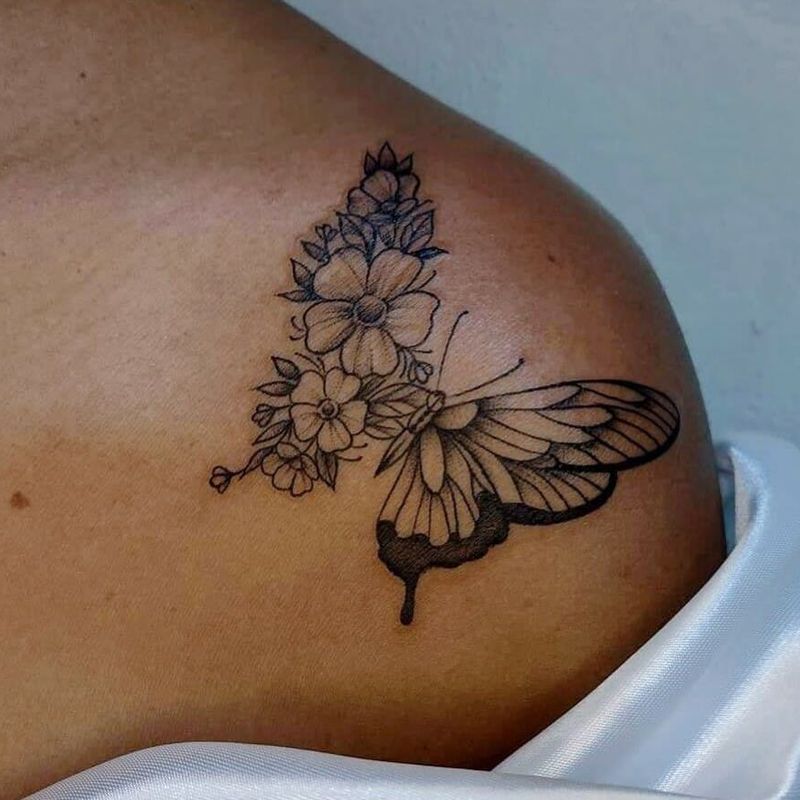
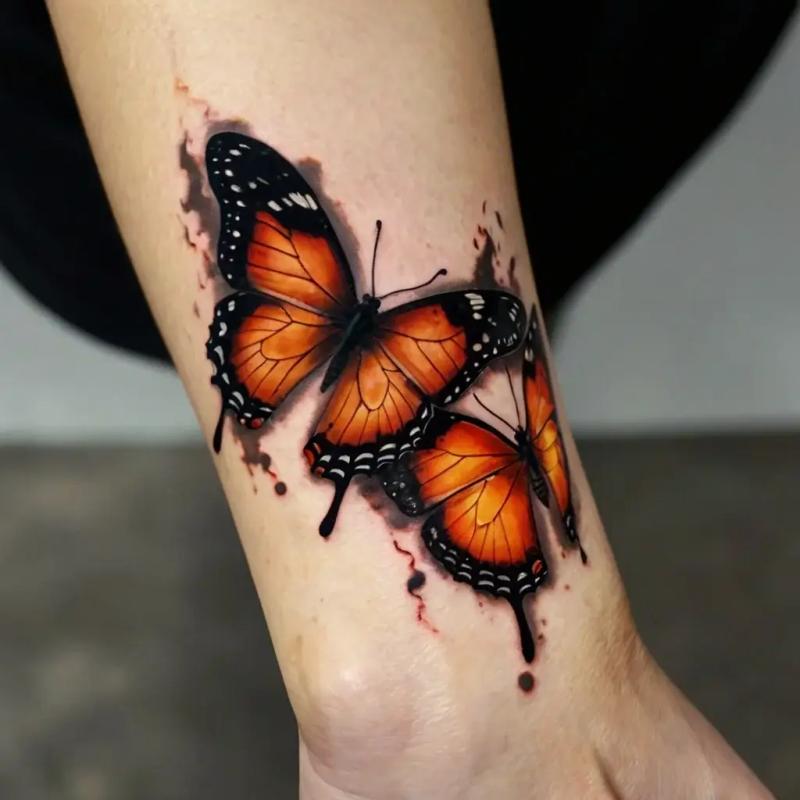
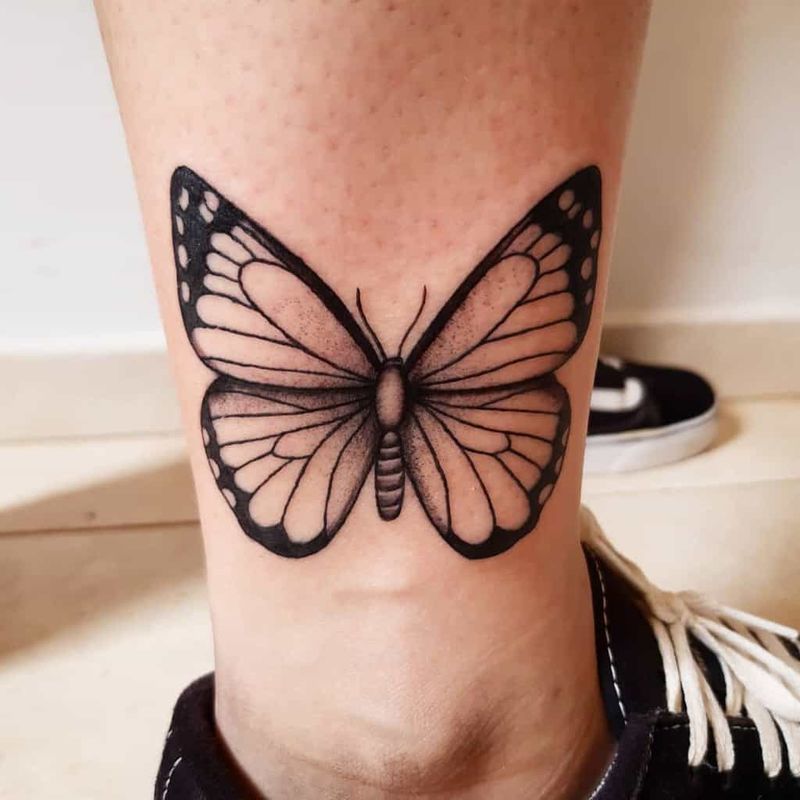
The butterfly is one of the most universally recognised tattoo symbols, and for good reason. Few creatures in nature undergo such a dramatic physical transformation, from an earthbound caterpillar to a winged being capable of crossing continents. That journey from chrysalis to flight makes the butterfly a powerful metaphor for personal change, resilience, and the courage to become something entirely new.
Whether you are commemorating a life-changing experience, honouring someone you have lost, or simply drawn to the natural elegance of butterfly wings, this guide breaks down the layers of meaning behind butterfly tattoos across cultures, colours, styles, and species so you can make a design choice that is as intentional as it is beautiful.
At its heart, the butterfly represents metamorphosis. This makes it a natural choice for anyone who has undergone a significant personal transformation, whether recovering from illness, leaving a difficult relationship, transitioning gender, or simply outgrowing a former version of themselves. The butterfly says: I was one thing, and now I am another, and the journey was worth it.
Beyond transformation, butterflies carry associations with freedom, the soul (in Greek mythology, the word psyche means both soul and butterfly), beauty, femininity, and the fleeting nature of life. In Japanese culture, a butterfly symbolises the soul of the living and the dead. In Chinese tradition, two butterflies together represent love. In Mexican culture, monarch butterflies are believed to carry the spirits of ancestors during Dia de los Muertos. Each layer adds depth to what might seem like a simple design.
In ancient Greece, the goddess Psyche was depicted with butterfly wings, linking the insect to the human soul and immortality. Celtic traditions viewed butterflies as symbols of transformation and creation. In Christianity, the butterfly represents resurrection, its emergence from the cocoon paralleling Christ rising from the tomb. Native American tribes, including the Blackfoot and Zuni, associate butterflies with dreams, change, and the guidance of spirits.
In modern Western tattoo culture, the butterfly has also become a symbol of mental health awareness and survival. The Butterfly Project encourages people struggling with self-harm to draw a butterfly on their wrist as a symbol of someone who cares about them. Many people tattoo a butterfly in the same spot as a permanent reminder of their recovery. Understanding these cultural threads helps you choose a design that genuinely reflects your story rather than borrowing meaning you are not connected to.
The versatility of butterfly tattoos is staggering. A monarch butterfly emphasises endurance and migration, perfect for travellers or those who have moved far from home. A blue morpho suggests rarity and wonder. A death-head moth leans into themes of mortality and the macabre. Half-butterfly half-flower designs merge growth with beauty. A butterfly with a clock or hourglass speaks to the passage of time.
Semicolon butterflies combine mental health symbolism with transformation. Geometric butterflies use sacred geometry to represent the mathematical perfection of nature. Watercolour butterflies emphasise colour and fluidity over rigid structure, creating an ethereal, painterly effect. Realistic butterfly portraits showcase technical artistry and can be customised to depict a specific species meaningful to the wearer. Matching butterfly tattoos are popular among couples, sisters, or best friends as a symbol of a shared journey.
Butterfly tattoos are remarkably adaptable to different body areas. Small, delicate designs work beautifully behind the ear, on the inner wrist, or along the collarbone. These are intimate placements that feel personal and subtle. Medium-sized butterflies suit the forearm, ankle, shoulder blade, or the back of the neck. These spots offer enough canvas to show wing detail while remaining easy to conceal for professional settings.
For larger, statement pieces, the upper back, sternum, and thigh are excellent choices. A butterfly across the sternum creates a striking symmetrical centrepiece. The upper back allows for a full wingspan design with intricate detail. The ribcage is a dramatic option, though it ranks among the more painful placements. When choosing a spot, consider how the natural curves of your body will interact with the wing shape. Butterflies look best when the wings follow the body contours rather than fighting against them.
Butterfly tattoos are generally considered culturally neutral and safe to get without concerns about appropriation. However, there are nuances worth respecting. If you are incorporating specific cultural imagery, such as a Japanese-style butterfly within an irezumi composition or a monarch butterfly in a Dia de los Muertos context, take time to understand the cultural roots and work with an artist experienced in that tradition. This is not about gatekeeping. It is about getting a tattoo that is informed rather than superficial.
If your butterfly tattoo relates to a mental health journey, be prepared that people may ask about its meaning. You are never obligated to share, but having a comfortable response ready can make the experience more positive. For memorial butterflies, some people include initials, dates, or small symbolic elements within the wings. Whatever your reason, the best butterfly tattoos are the ones where the meaning is deeply personal, even if no one else ever knows the story behind it.
€60–€150
€150–€350
€350–€700+
See how it looks on your body with AR, get a price estimate, or find top-rated artists near you.
Browse thousands of designs and book top artists on Inkjin.



Privacy is important to us, so you have the option of disabling certain types of cookies that may not be necessary for the basic functioning of the website. Blocking cookies may impact your experience on the website.
Accept all cookies
These items are required to enable basic website functionality.
These items are used to deliver advertising that is more relevant to you and your interests.
These items allow the website to remember choices you make to give you better functionality and personal features.
These items help the website operator understand how its website performs, how visitors interact with the site, and whether there may be technical issues.